Cold mornings are often when cars show their true condition. You turn the key or push the button, and instead of a quick, confident start, the engine turns over slowly, almost like it is dragging. Sometimes it catches, other times it feels like it might give up.
That slow cranking in cold weather is usually a mix of battery, starter, and engine drag, all showing their age at the same time.
What Slow Cranking Really Feels and Sounds Like
Slow cranking is more than a normal cold start. The starter motor turns the engine over at a lazy pace, and the sound has a heavy, drawn-out rhythm instead of a quick, brisk spin. The interior lights may dim more than usual, and the cluster might flicker slightly as the starter pulls current.
Sometimes the engine just barely starts after several slow revolutions, other times you get a few sluggish attempts and then only clicks. If it consistently feels worse on the coldest mornings and better on warmer days, the temperature is highlighting a weakness that is already there.
Why Cold Weather Makes Starting So Much Harder
Cold affects every part of the starting system at once. The chemical reaction inside the battery slows down, so it cannot deliver as many amps as it can on a mild day. At the same time, engine oil thickens, and the internal parts are harder to move, which means the starter needs more torque to spin everything fast enough.
Electrical resistance can also go up with corrosion and loose connections, especially after a damp night. All of these changes stack up. A battery or starter that is only slightly weak in summer can feel badly overloaded once temperatures drop near freezing.
Electrical Problems That Commonly Cause Slow Cranking
Slow cranking often starts on the electrical side. Some of the usual suspects include:
- A weak or aging battery that can no longer deliver enough cold cranking amps
- Corroded or loose battery terminals and ground connections that waste power as heat
- A charging system that is not fully recharging the battery between trips
- Internal wear in the starter motor that reduces torque and increases current draw
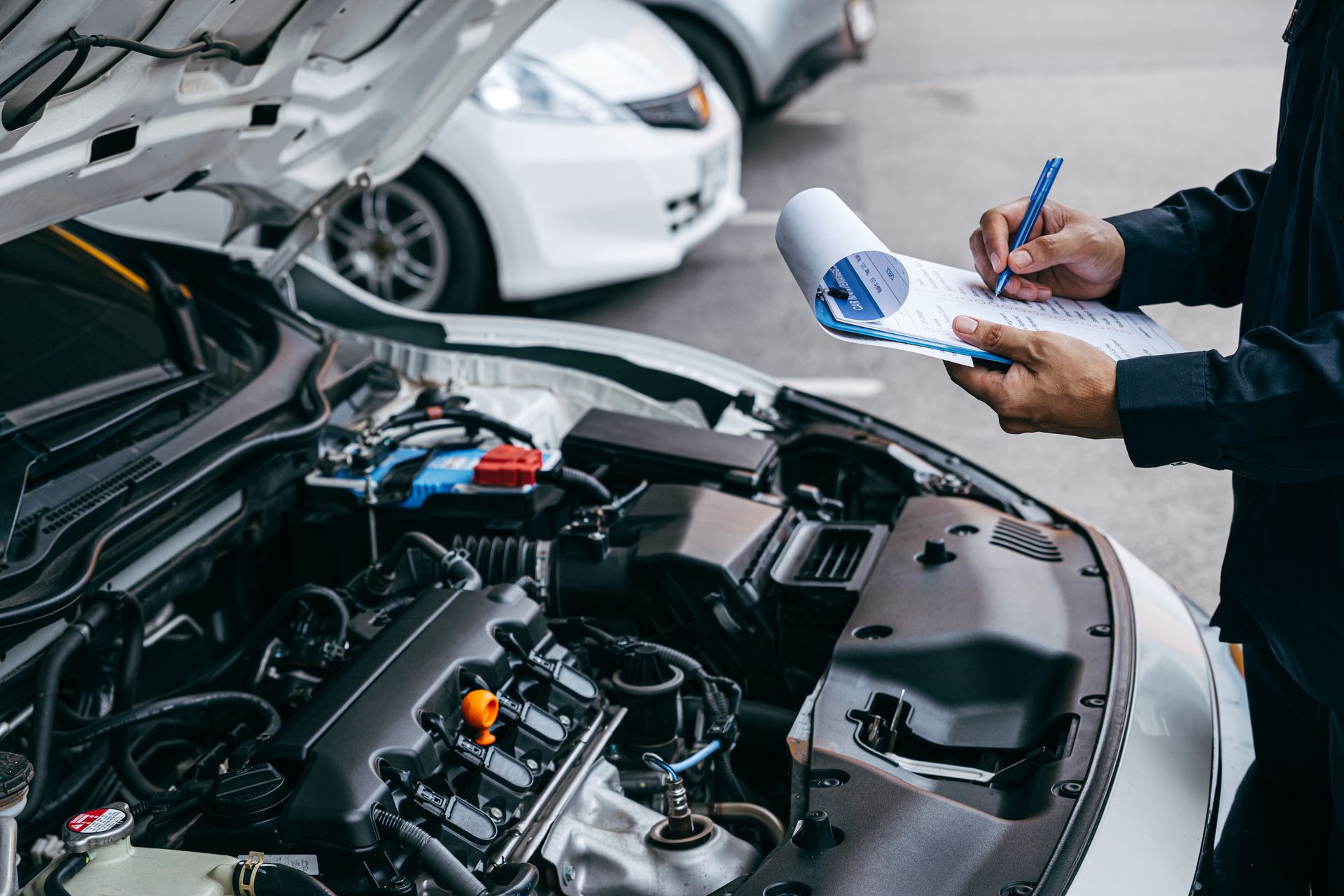
From the driver’s seat, these all feel similar, which is why guessing can get expensive. When we test a slow crank complaint, we like to measure battery voltage under load, check connection quality, and see how much current the starter actually draws. That tells us whether the battery is just tired or the starter itself is struggling.
How Engine Drag and Oil Choice Add to the Problem
The starter does not spin in a vacuum. Thick, old oil can make the engine feel like it is packed in syrup on a cold morning. If oil has not been changed on time, or the wrong grade is being used for your climate, the starter has to work harder just to get the engine to the minimum cranking speed.
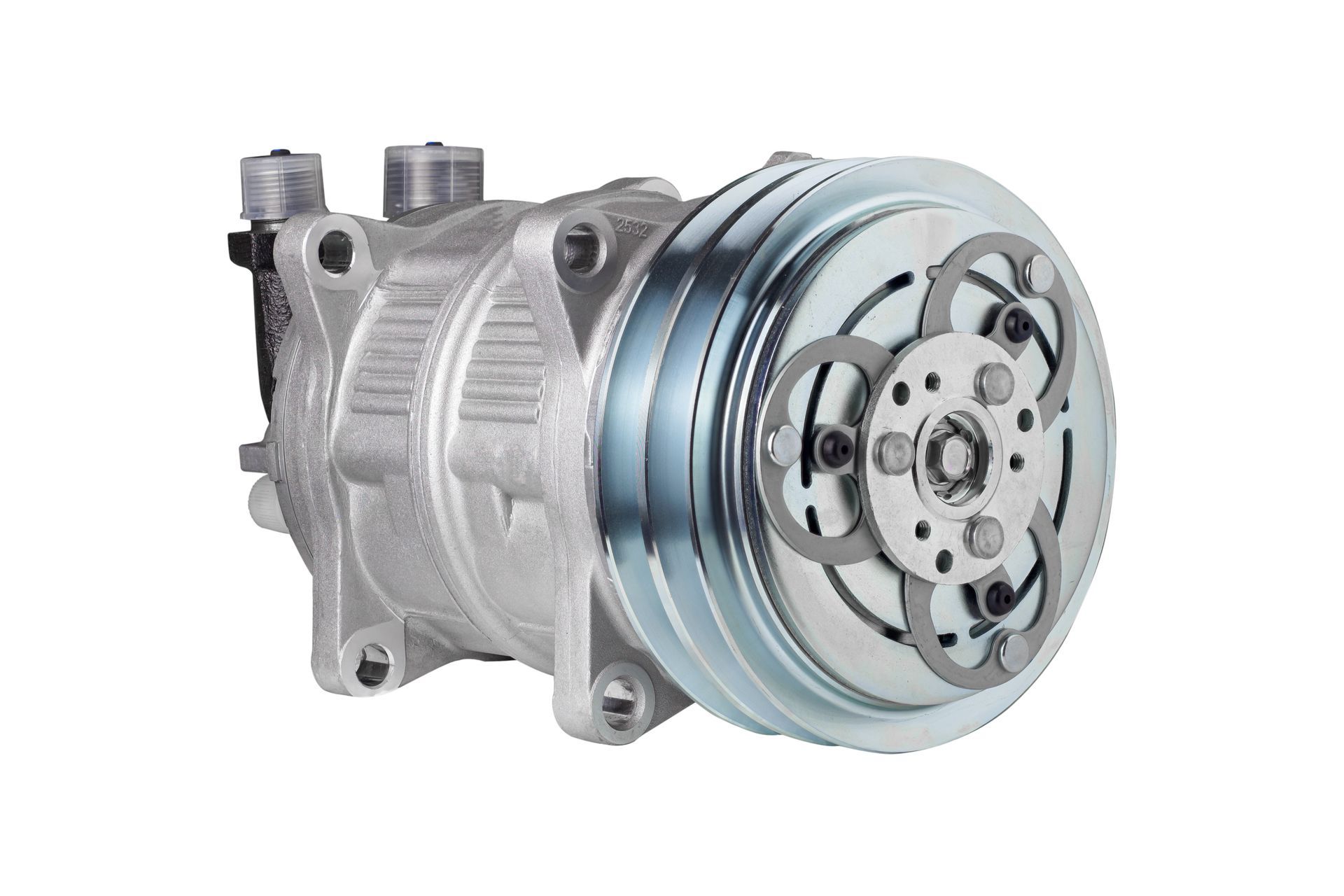
Other mechanical issues can add drag, too. Seizing accessory bearings, such as in an alternator or A/C compressor, can make the belt system harder to turn. Internal engine problems are less common, but a motor that has been overheated or has heavy sludge may be tougher to crank, and that will show up most clearly on the coldest days.
Simple Checks You Can Safely Do at Home
You do not need a full toolbox to gather useful information before a visit. A few easy checks include:
- Look at the battery date sticker; if it is 4 to 6 years old, it may simply be at the end of its life
- Inspect battery terminals for white or green corrosion and for loose clamp connections
- Notice whether cranking speed improves after a decent highway drive compared to after short trips
- Pay attention to dash lights; if they get very dim or reset during cranking, that points toward power supply issues
- Listen for rattling or grinding from the starter area, which can indicate internal wear
Sharing these details with a technician helps narrow the diagnosis and usually saves time.
When Slow Cranking Becomes a Real Warning Sign
A brief, slightly slower crank on the coldest morning of the year is not always an emergency. It is time to take it seriously when the slow cranking lasts several seconds every cold start, when you need multiple attempts to get the engine going, or when you start needing jump starts. Any burning smell, heavy clicking, or smoke from the engine bay during cranking is a definite stop sign.
If the starter is turning slower each day or you notice other issues like dim headlights at idle or warning lights for the charging system, the car is telling you it may not start at all soon. Getting the battery, starter, and alternator tested at that stage is almost always cheaper than waiting until you are stranded. We have seen many cases where timely testing avoided being stuck in a parking lot with a completely dead system.
Get Slow Cranking Diagnosis in Virginia Beach, VA with Harvey's Garage
We can load-test your battery, check your charging system, and measure starter performance so you know exactly why the engine cranks slowly on cold mornings. We explain whether you are looking at a simple battery replacement, a starter issue, or a deeper problem, and help you choose the smartest repair before it leaves you stranded.
Call
Harvey's Garage in Virginia Beach, VA, to schedule a starting and charging system inspection and make cold starts dependable again.