A sharp squeal when you start the car or pull away from a stop is more than a small annoyance. That sound usually points to your serpentine belt slipping on one or more pulleys. Since the belt drives key accessories, a persistent squeal is a nudge to check the system before it turns into a bigger repair.
What the Serpentine Belt Does
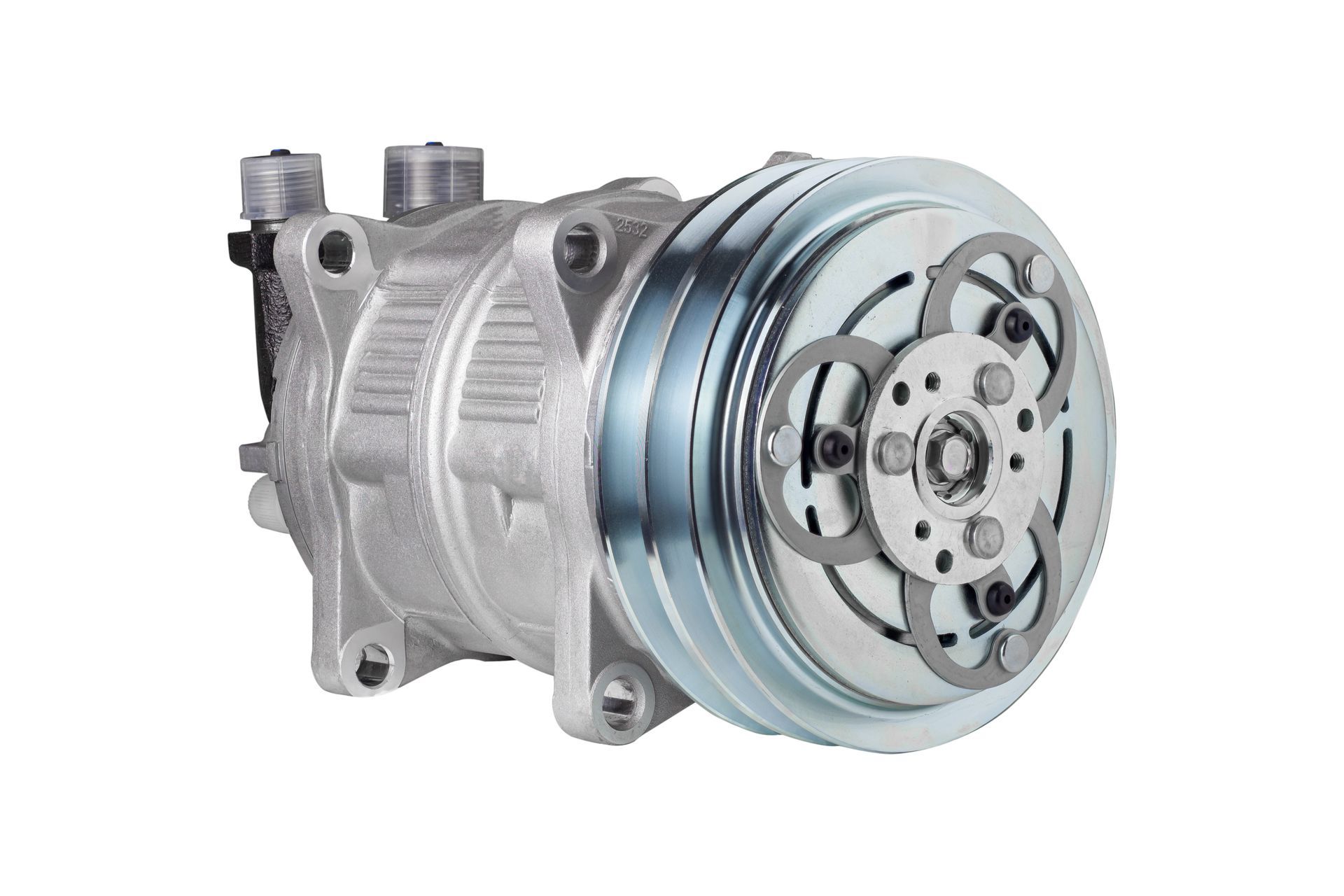
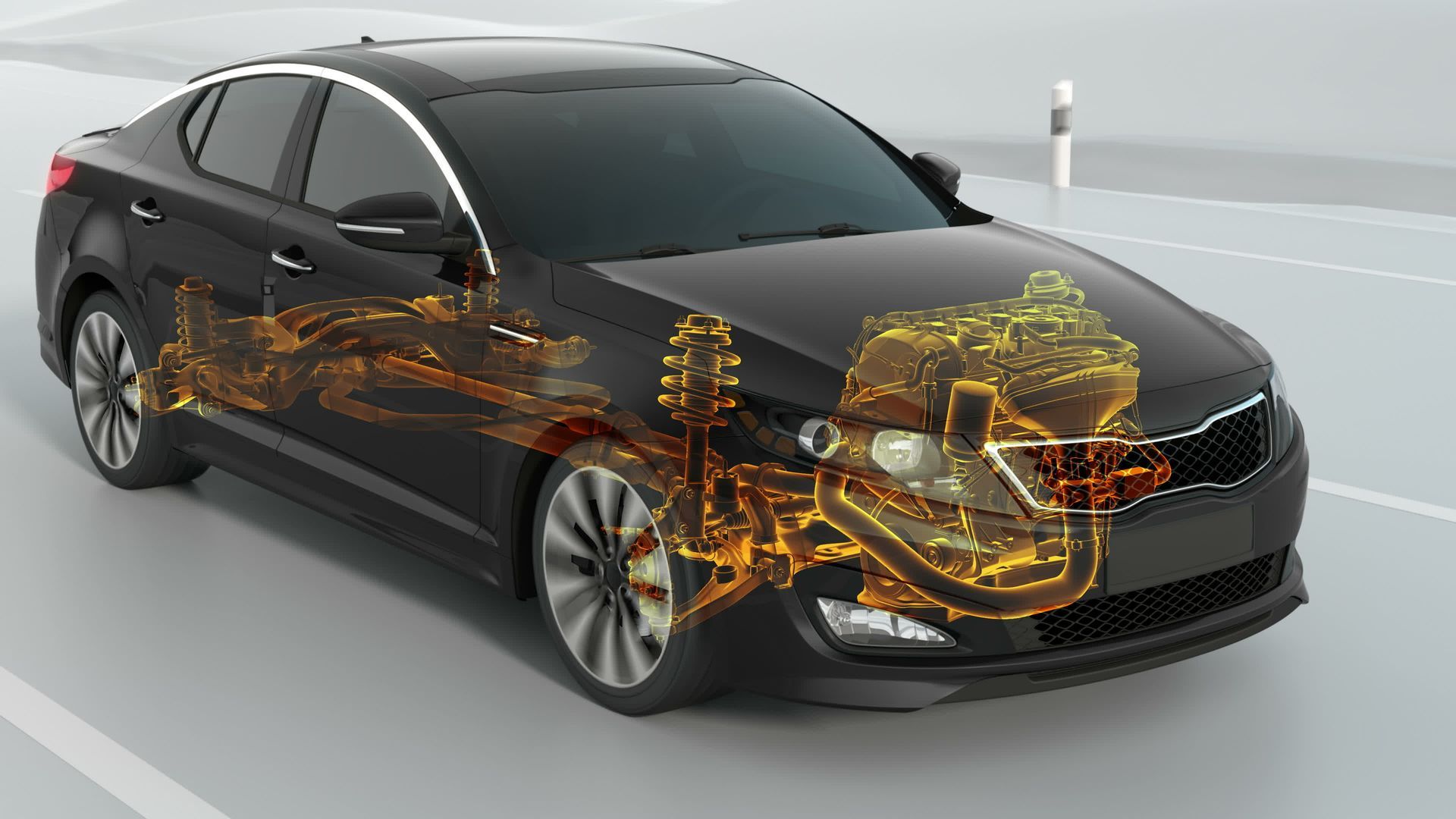
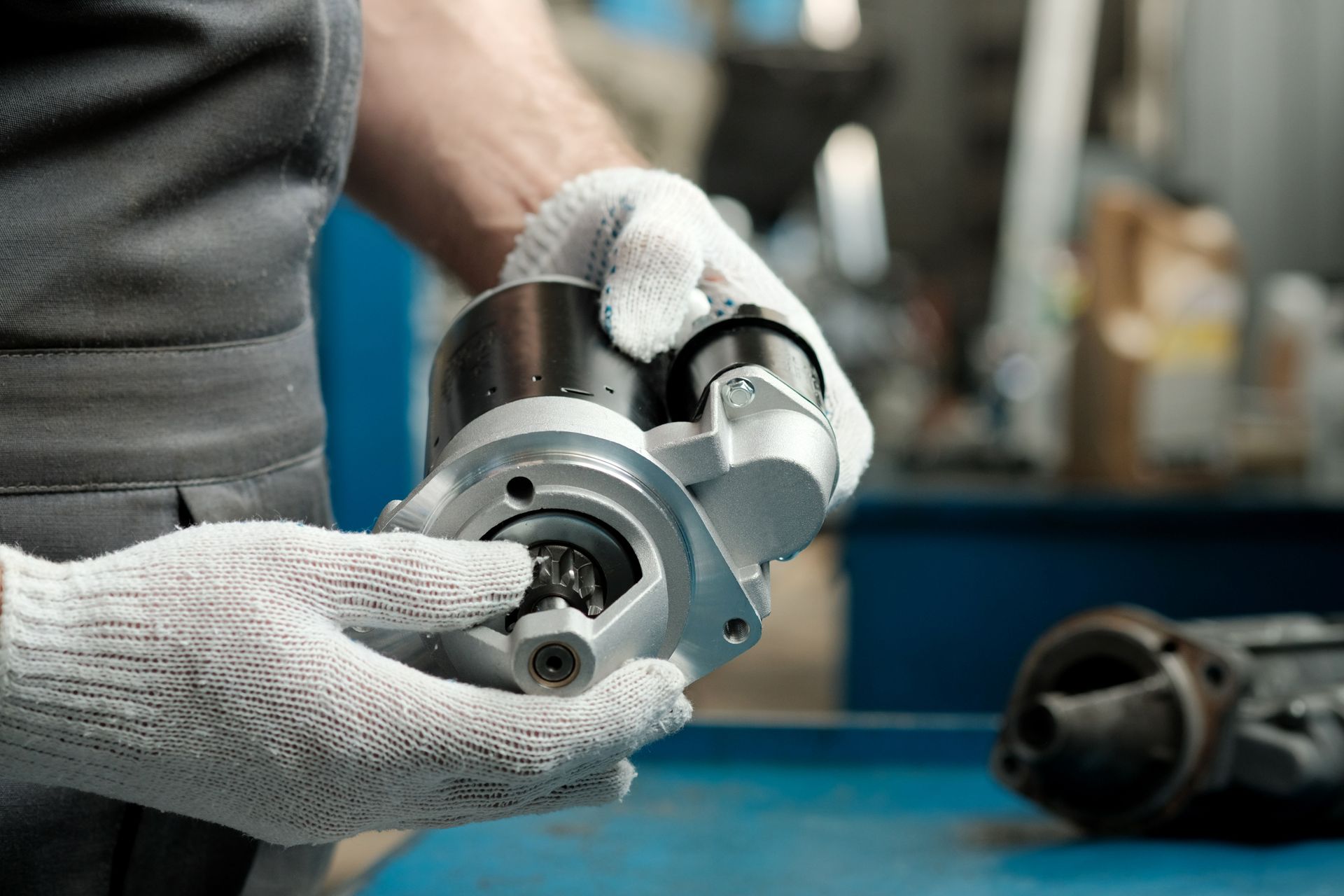
Modern engines use one belt to spin several components at once. The belt routes around the alternator, power steering pump, A/C compressor, and often the water pump. As the crankshaft turns, each accessory follows along. Because the belt is under steady load and heat, the rubber wears and its grip changes with age. Noise is often the first clue.
Why Belts Squeal During Startups
Cold starts are the perfect time for a marginal belt to complain. The battery asks more from the alternator right after ignition, which increases resistance on the pulley. A belt with a hardened or glazed surface will slip in that moment and make a loud screech. Turning on the A/C or full defrost can do the same because the compressor adds load instantly. If the squeal fades after a minute but returns most mornings, the belt surface is likely near the end of its life.
Tensioners, Pulleys, and Alignment Problems
Correct tension keeps the belt seated and quiet. An aging automatic tensioner can lose spring force, or the pulley bearing can roughen up. Either problem lets the belt slip under load, especially during acceleration or quick steering inputs. Misalignment creates its own noise, often a higher chirp that follows engine speed. A bent bracket, a pulley installed slightly off plane, or a worn idler can cause the belt to walk to one edge and fray it. Once edges start to feather, the belt gets louder and failure comes sooner.
When Fluids Cause Slipping and Noise
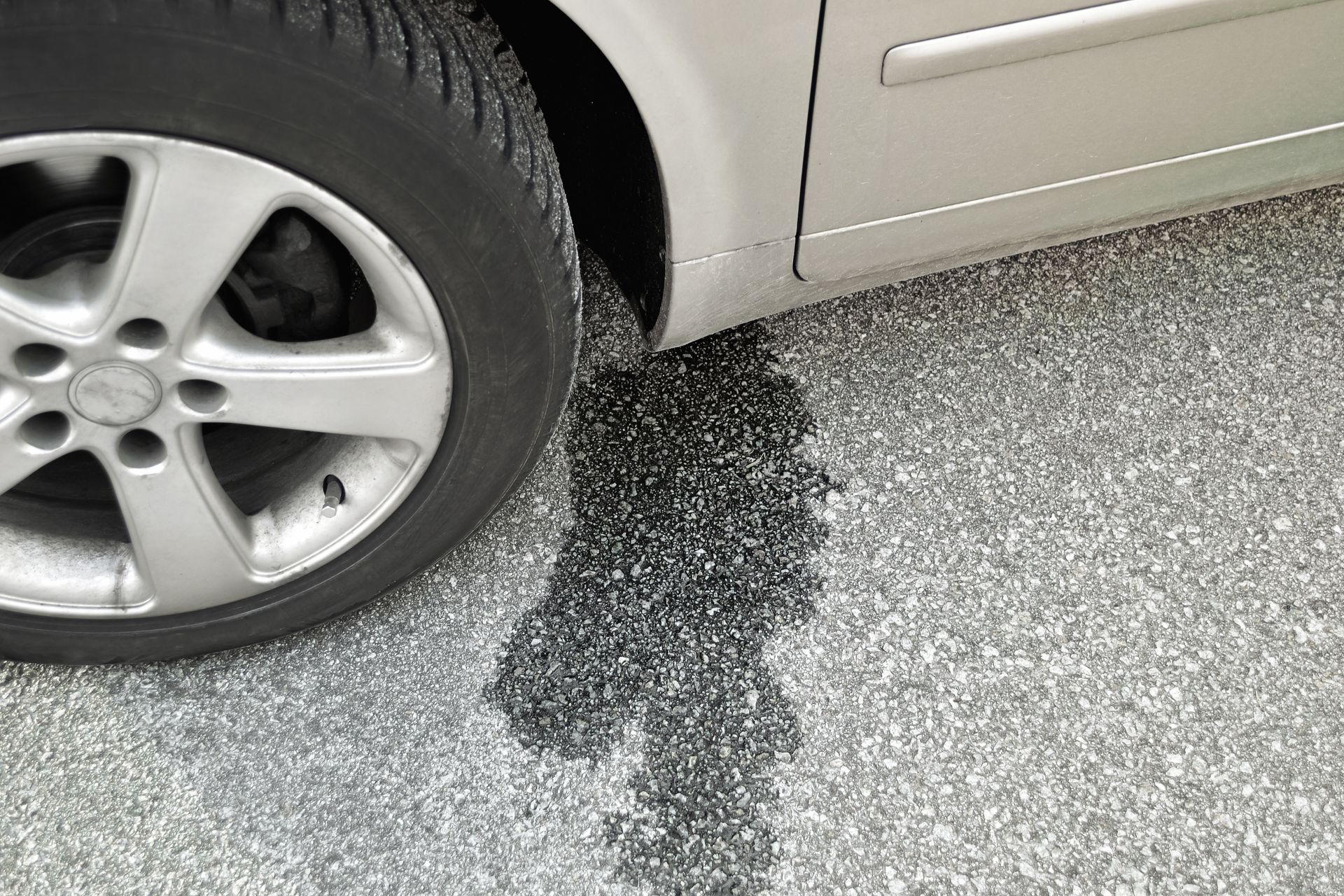
Rubber and oil do not get along for long. A small seep from a valve cover, a power steering hose, or even a coolant leak can mist the belt. The contaminated sections lose friction and squeal on every pass around the pulley. Fluid also speeds belt deterioration and can swell or soften the ribs. Cleaning helps, but the long term fix is to repair the leak and replace the belt, then confirm the tensioner and pulleys are clean and dry.
Weather, Moisture, and Cold-Morning Chirps
Moist air and puddles reduce grip for a short time. A brief chirp right after a car wash or on a damp morning can be normal if it disappears quickly. If the sound lingers after the engine warms or returns in dry weather, the system needs inspection. Winter adds another layer, since rubber stiffens in the cold and any small surface glazing becomes more noticeable. A healthy belt with proper tension will stay quiet in all seasons.
Signs It Is Time to Replace the Belt
Visual checks tell a clear story. Look for shiny ribs, small cracks across the grooves, frayed edges, or missing chunks. Glazing often appears as a glassy stripe on the contact surface. From the driver's seat, watch for a squeal that returns with every heavy electrical load or steering at low speed. Dim lights, a battery warning, or higher coolant temperatures can follow if the belt is slipping enough to slow the alternator or water pump. Those are signs to stop guessing and schedule service.
Preventive Tips to Keep the Belt Quiet
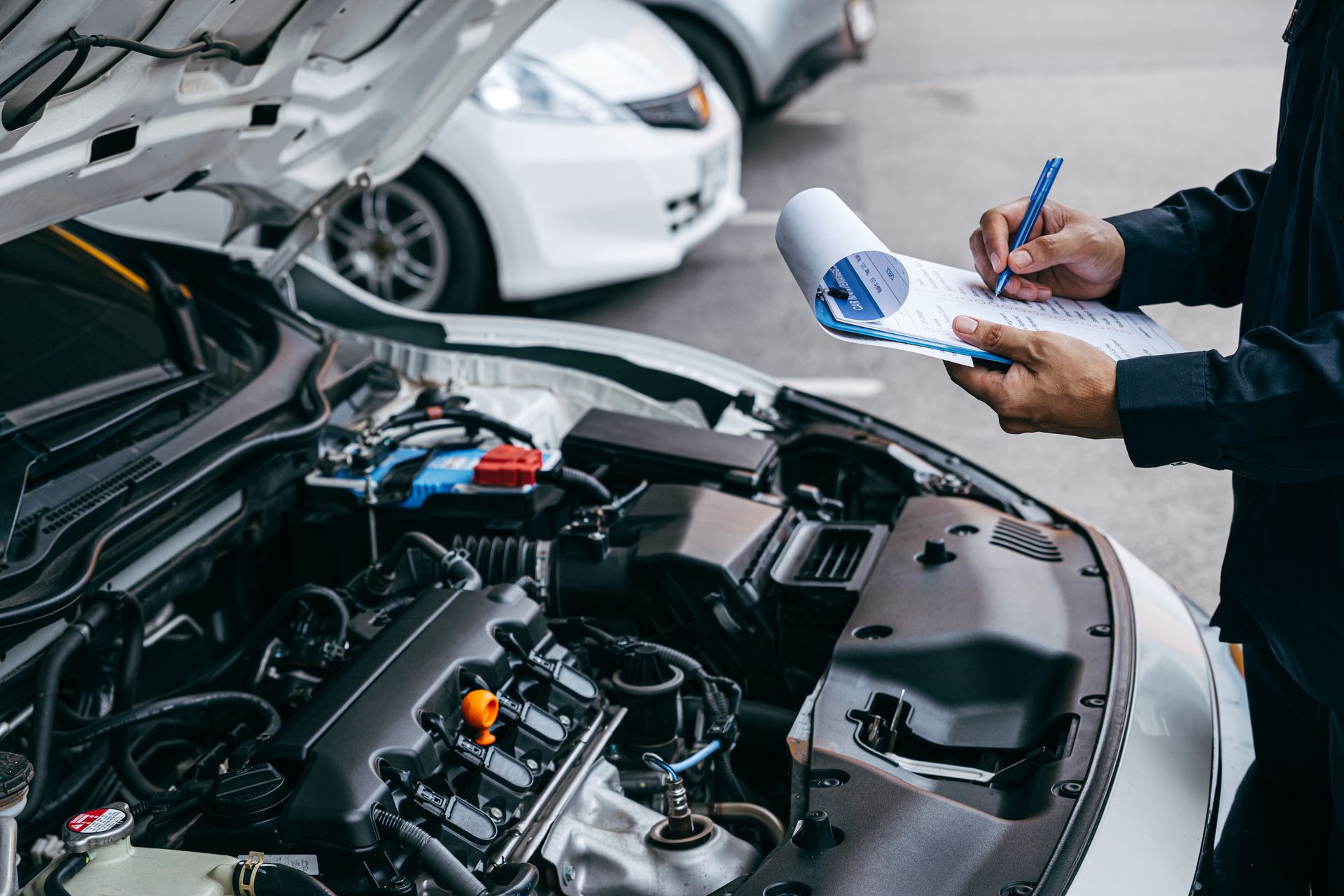
Routine inspections during oil services catch small issues early. A technician will measure tensioner travel, spin idlers to feel for rough bearings, and check pulley alignment with a straight edge or gauge. Replacing the belt at the interval in your owner’s manual prevents the polished surface that invites noise. Fix fluid leaks quickly, since a clean drive path keeps good belts quiet far longer. If a new belt still squeals, the tensioner or a pulley is usually the missing piece, so replacing them as a set can save a return visit.
Keep Your Car Quiet and Reliable with Harvey’s Garage in Virginia Beach, VA
If a belt squeal has joined your morning routine, our team can isolate the cause and correct it the right way. We inspect the belt, tensioner, and every pulley, repair any leaks that contaminate the drive, and install parts that match your vehicle’s specifications.
With two convenient Virginia Beach locations, schedule a visit and leave with quiet starts, smooth steering, and accessories that work the way they should.