Gas prices have a way of getting everyone’s attention, especially with all the headlines in 2026. We hear it from customers all the time at our shop. Someone comes in for service and mentions they feel like they are burning through a tank faster than they used to, or they just want to know if there is anything practical they can do to stretch their fuel budget a little further.
The good news is that saving money on gas is not always about making huge lifestyle changes or buying a different vehicle. In many cases, it comes down to a handful of everyday habits and making sure your car is in good enough shape to run efficiently. Some of the biggest fuel-wasters are things people do not even realize are costing them money until they add it all up over time.
We like talking about this topic because it is one of those areas where smart maintenance and smart driving really do work together. If your car is healthy and you are driving in a way that helps rather than hurts fuel economy, the savings can become pretty noticeable.
Start With How You Drive
One of the fastest ways to burn more gas than necessary is aggressive driving. Quick acceleration, hard braking, and constantly jumping from one speed to another all make the engine work harder. And when the engine works harder, it uses more fuel.
We understand why this happens. Traffic is annoying, people are in a rush, and sometimes it feels like you have to keep pushing just to stay moving. But from a fuel-saving standpoint, smoother driving really does help. Gradual acceleration, maintaining a more consistent speed, and looking ahead so you are not constantly braking at the last second can all make a real difference. It also helps reduce wear on the vehicle. So you are not just saving on gas. You may be saving on brakes and tires too.
Tire Pressure Matters More Than People Think
If there is one simple tip we wish more drivers took seriously, it is checking tire pressure. Underinflated tires create more rolling resistance, which means the engine has to work harder to move the vehicle down the road. That extra effort uses more fuel.
This is one of the easiest things to overlook because a tire can look fine and still be low. You usually cannot judge pressure accurately just by looking at it. That is why checking it with a gauge matters.
A few smart tire habits can help fuel economy:
- Check tire pressure regularly when the tires are cold
- Inflate to the manufacturer’s recommended level, not the maximum on the tire sidewall
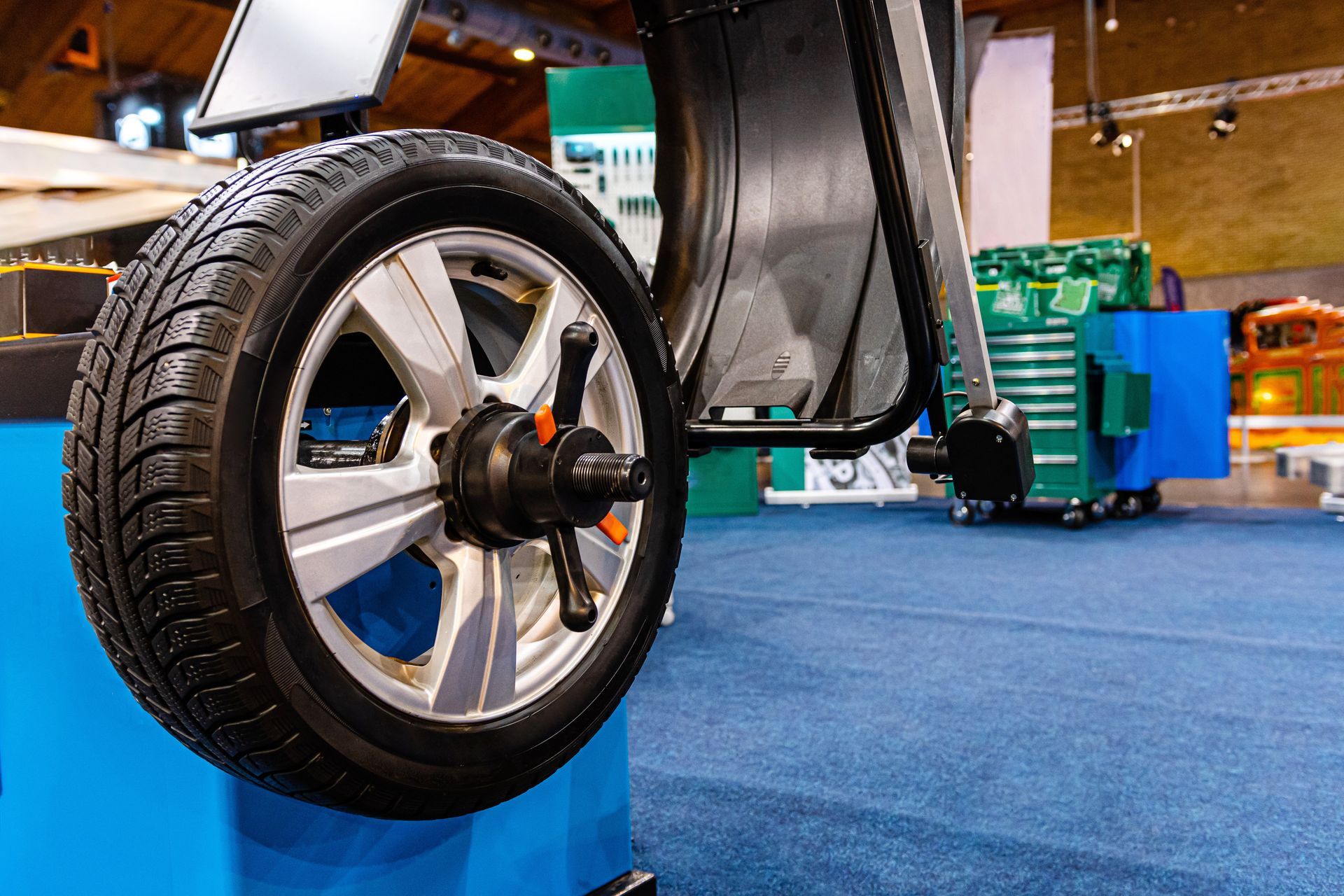
- Watch for uneven wear that may point to alignment issues
- Have tires rotated and aligned as needed
Do Not Ignore Basic Maintenance
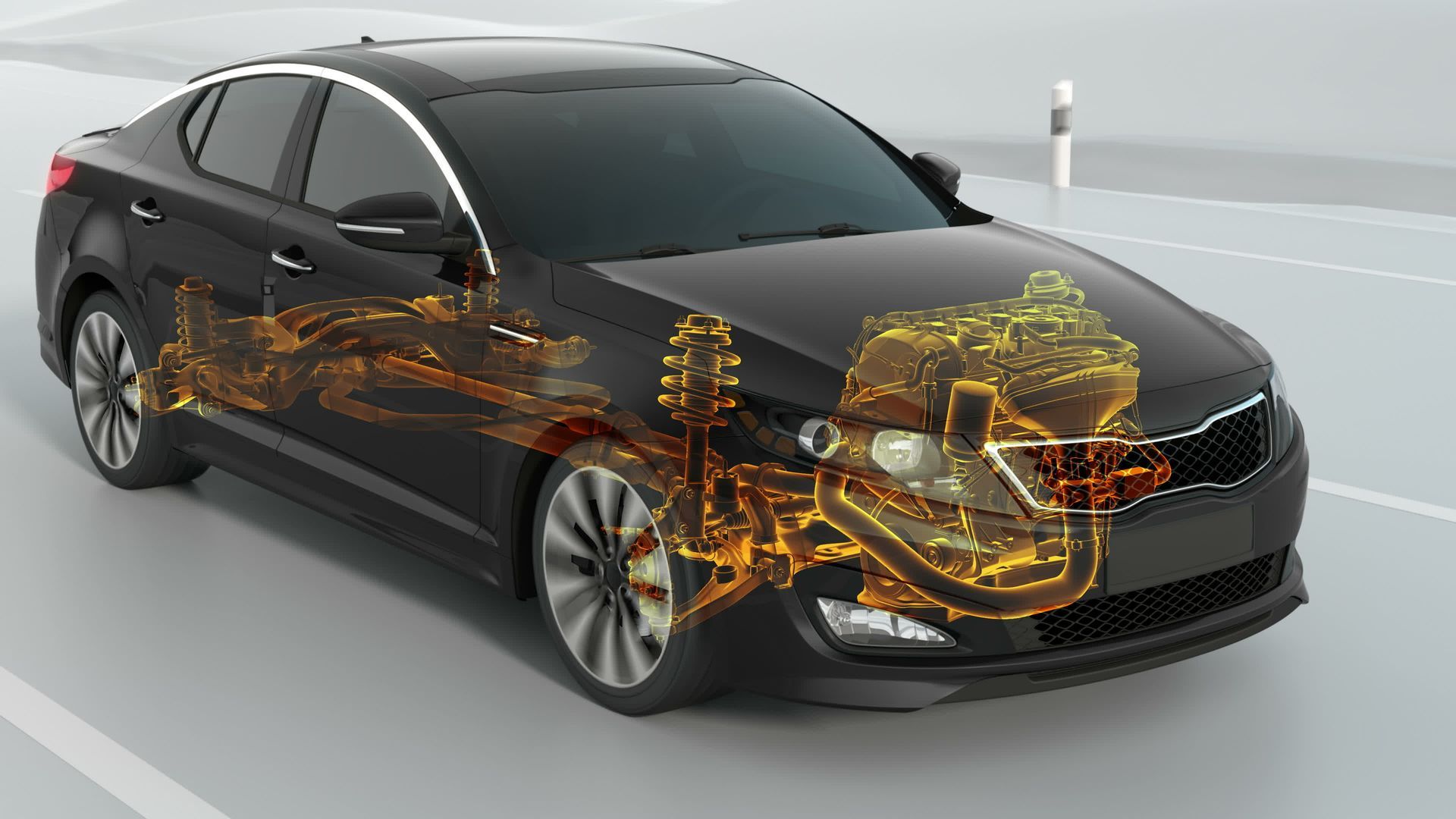
When a vehicle is overdue for maintenance, fuel economy often suffers. Old oil, dirty filters, worn spark plugs, and neglected engine issues can all make the engine less efficient. Sometimes the drop happens slowly enough that drivers do not notice it until they are filling up more often than they used to.
This is where regular maintenance pays off. A vehicle that is running the way it should usually uses fuel more effectively than one that is overdue for service.
A few maintenance items that can affect gas mileage include:
- Oil changes
- Engine air filter condition
- Spark plugs
- Fuel system performance
- Tire condition and alignment
- Check engine light issues
A car does not need to be obviously “running badly” to lose efficiency. Sometimes the fuel economy drop is the first sign that the vehicle is due for attention.
Lighten The Load If You Can
We are not suggesting you strip your car down to the bare minimum every time you go to the grocery store, but extra weight does matter. If your trunk is full of things you do not actually need to carry around every day, your vehicle is using fuel to move all of it.
This is especially common with gear that slowly builds up over time. Sports equipment, tools, boxes, emergency supplies that turned into half your garage, and random items that never got unloaded after the last trip. A little clutter may not seem like much, but it adds up.
Roof racks and cargo carriers can also hurt fuel economy, even when they are empty, because they add wind resistance. If you are not using them regularly, removing them can help more than people expect.
Avoid Long Idling When Possible
Letting your vehicle sit and idle for long stretches is another easy way to waste gas. If you are parked and waiting, you are getting zero miles per gallon. That may sound obvious, but it is still a common habit, especially during pickup lines, drive-thrus, or when someone is waiting in the car with the A/C running. There are times when idling is unavoidable, of course. But when it becomes routine, it can quietly eat into your fuel budget.
Use The A/C Wisely
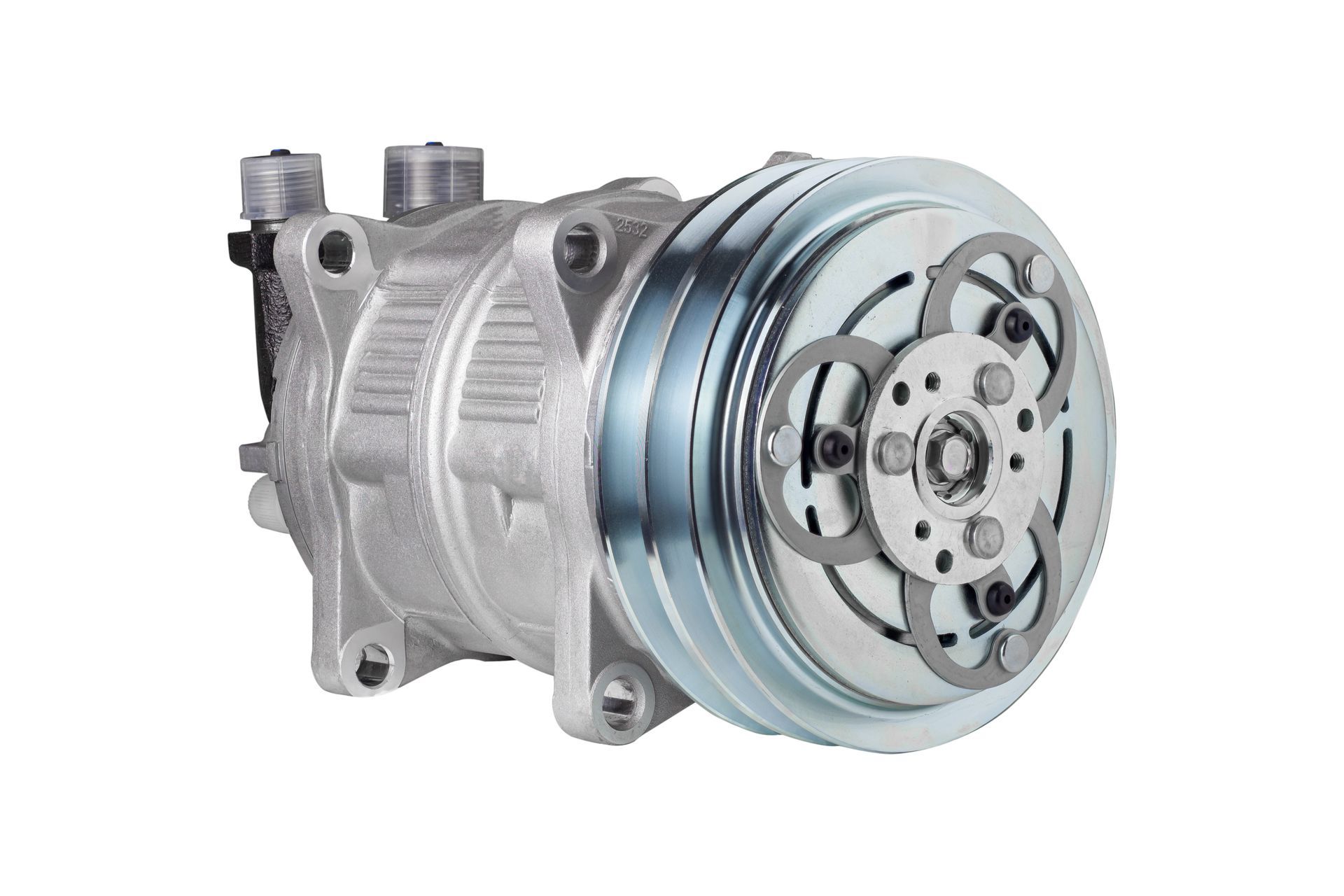
Air conditioning takes energy, and yes, using it can affect fuel economy. That does not mean you should suffer through summer with the windows down all the time. It just means being aware of the tradeoff.
At lower speeds, rolling the windows down can sometimes be a reasonable way to stay comfortable without relying entirely on the A/C. At highway speeds, though, open windows can create more drag, which may hurt efficiency too. So there is a balance.
Plan Trips A Little Better
A lot of fuel gets wasted on unnecessary driving patterns. Multiple short trips from a cold start, zig-zagging across town, and forgetting errands until the last minute can all add up. Combining errands into one outing instead of making several separate drives can help reduce total miles and improve efficiency.
Watch Your Speed On The Highway
Most vehicles tend to lose fuel efficiency as speed climbs higher. Once you are cruising well above moderate highway speeds, wind resistance increases and the engine has to work harder to keep pushing the car forward.
That means even if your car feels perfectly comfortable at faster speeds, your gas tank may not agree. Driving a bit more moderately on the highway can make a difference, especially on longer trips where fuel use adds up mile after mile.
Pay Attention To Warning Signs
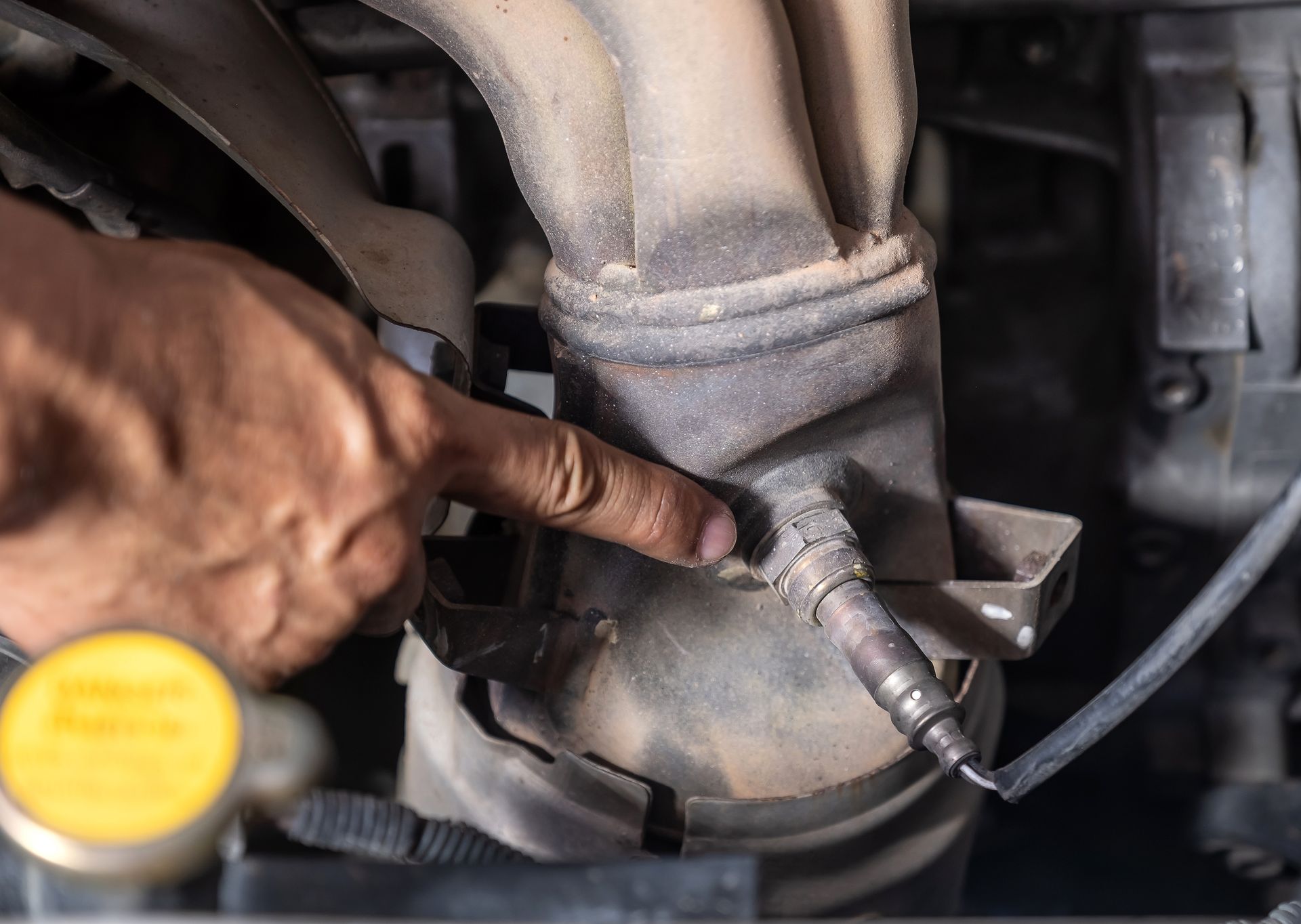
If your fuel economy suddenly drops, do not assume it is just bad luck or seasonal changes. A noticeable dip can mean something is wrong with the vehicle. A sticking brake component, misfiring engine, oxygen sensor issue, low tire pressure, alignment problem, or dirty filter can all hurt mileage.
We often see customers come in saying they feel like they are filling up more than usual, and that concern ends up helping catch a problem early. That is a good thing. Gas mileage changes can be one of the first clues that your vehicle needs attention.
A few signs worth noticing include:
- A sudden drop in miles per tank
- Rough idling or hesitation
- Check engine light
- Sluggish acceleration
- Pulling to one side
- Tires that seem to lose pressure often
Keep Fuel Savings Realistic
There are plenty of flashy gas-saving claims out there, and not all of them are worth your time. Miracle additives, gimmicky gadgets, and exaggerated promises tend to get more attention than the simple habits that actually work.
From our perspective, the most reliable ways to save money on gas are not particularly glamorous. They are practical.
The Best Fuel-Saving Strategy Is A Healthy Car
A well-maintained vehicle usually drives better, lasts longer, and costs less to fuel than one that is struggling with neglected maintenance. That is why we see fuel economy as part of the bigger picture of taking care of your car, not just a stand-alone concern.
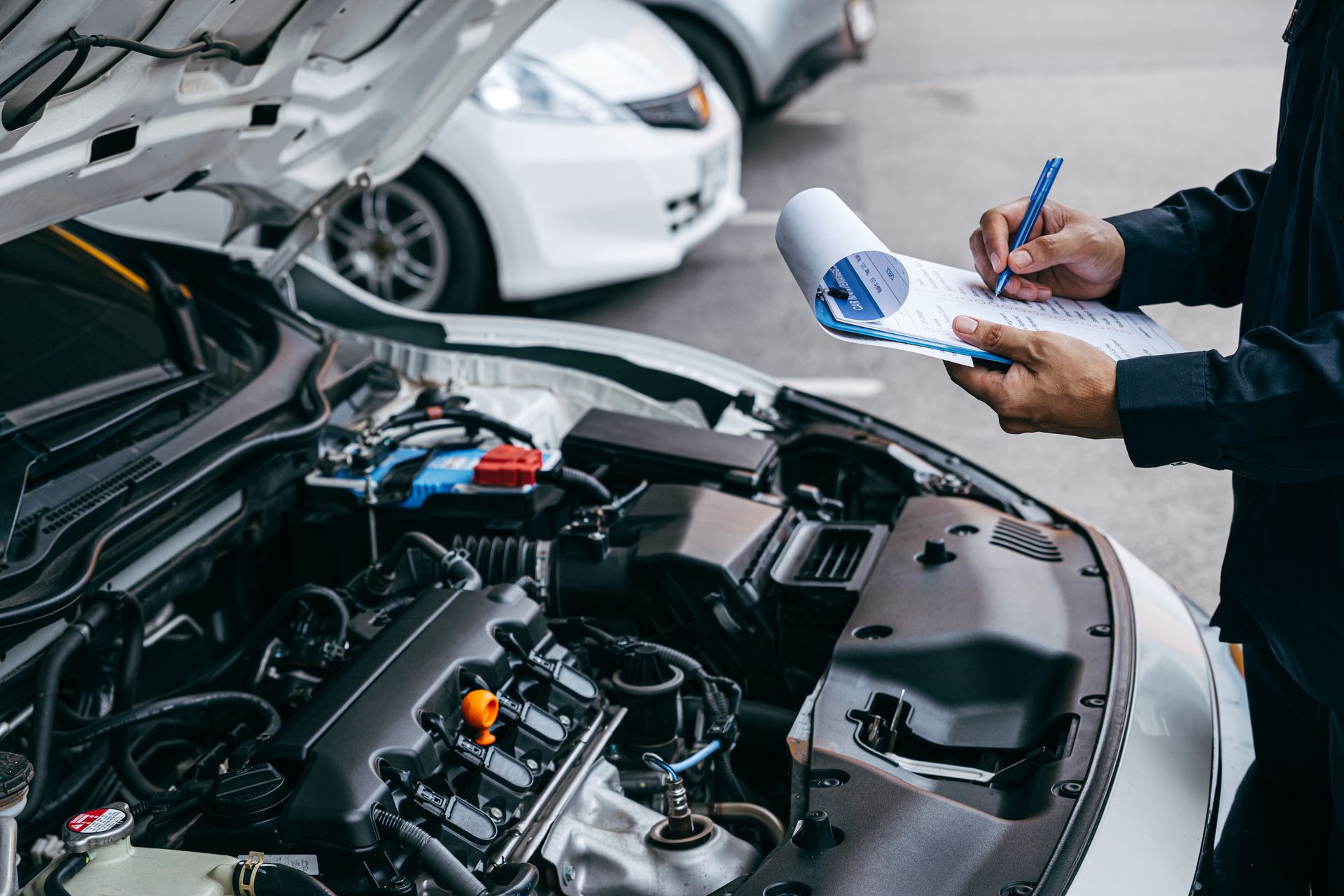
If you feel like your vehicle is using more gas than it should, let the team at Harvey's Garage take a look. With two convenient locations in Virginia Beach, VA, we can inspect your vehicle, identify anything affecting fuel efficiency, and help you get the most out of every tank.