For many Virginia drivers, state inspections are a routine part of car ownership. Yet, it’s not always clear who needs an inspection, what it entails, and why it’s important. Staying on top of Virginia’s inspection requirements ensures your vehicle is safe, legal, and less likely to leave you stranded on the road. Understanding the rules can also save you time, money, and stress.
Which Vehicles Require a Virginia State Inspection?
In Virginia, most passenger vehicles, trucks, and SUVs are required to undergo an annual safety inspection. This includes:
- Passenger cars
- Pickup trucks and vans
- SUVs and crossovers
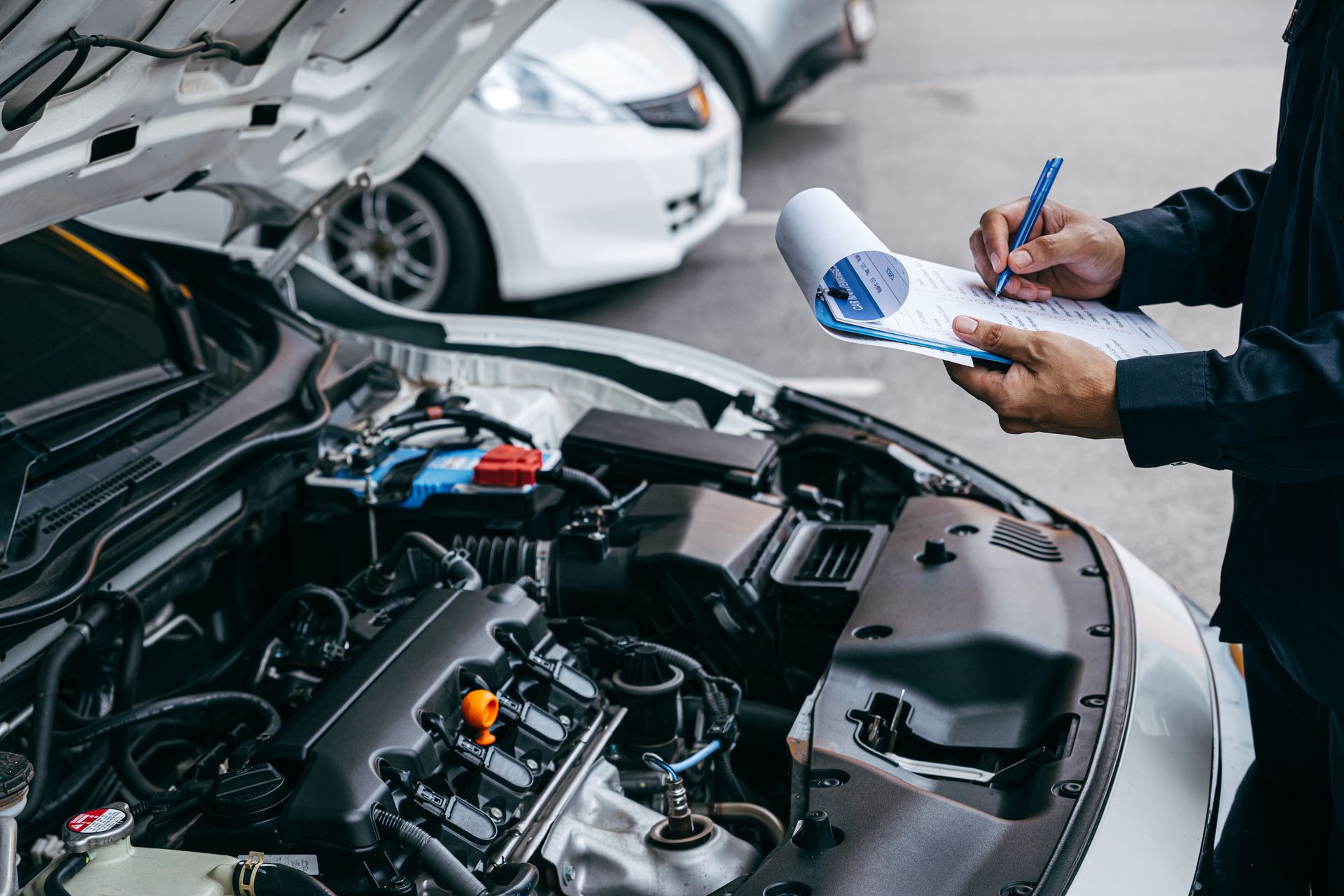
The inspection must be performed at an authorized inspection station, such as a licensed auto repair shop, such as Harvey's Garage. While these inspections focus primarily on safety, they also help identify minor problems before they turn into costly repairs.
Exemptions You Should Know About
Not every vehicle in Virginia needs a state inspection. Common exemptions include:
- Vehicles that are less than three years old, depending on the vehicle type
- Vehicles that operate solely off-road
- Antique or classic vehicles, which may qualify under special registration
- Trailers, depending on weight and use
What the Inspection Covers
A Virginia state inspection checks key safety components of your vehicle. The goal is to ensure your car or truck is roadworthy and won’t endanger you, your passengers, or other drivers. Some items inspected include:
Brakes: Pad thickness, rotors, brake lines, and fluid levels
Steering and Suspension: Proper function of steering linkage and shocks
Lights and Signals: Headlights, brake lights, turn signals, and hazard lights
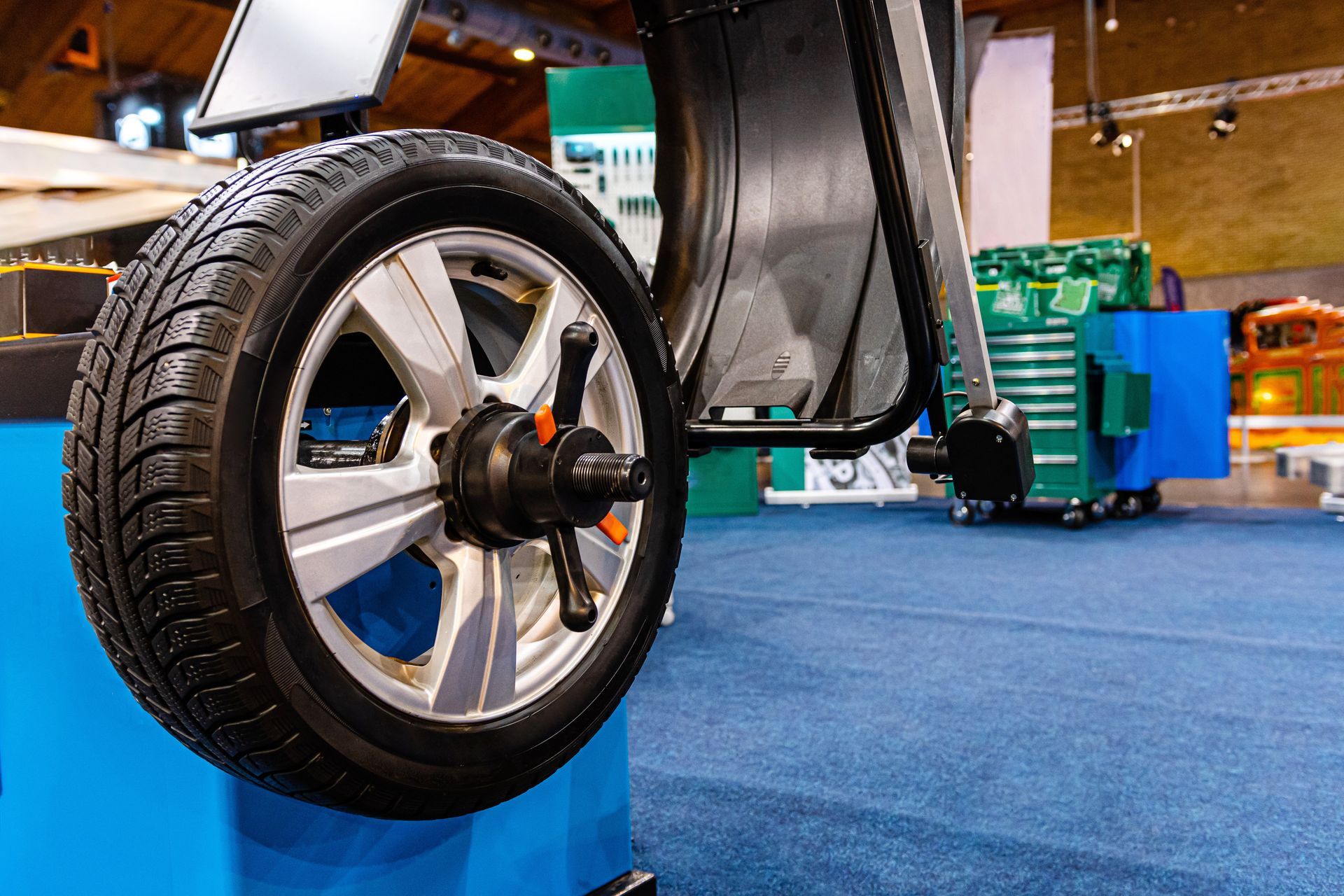
Tires and Wheels: Tread depth, tire condition, and wheel alignment issues
Windshield and Wipers: Cracks, chips, and wiper operation
Horn and Mirrors: Functional horn and properly aligned mirrors
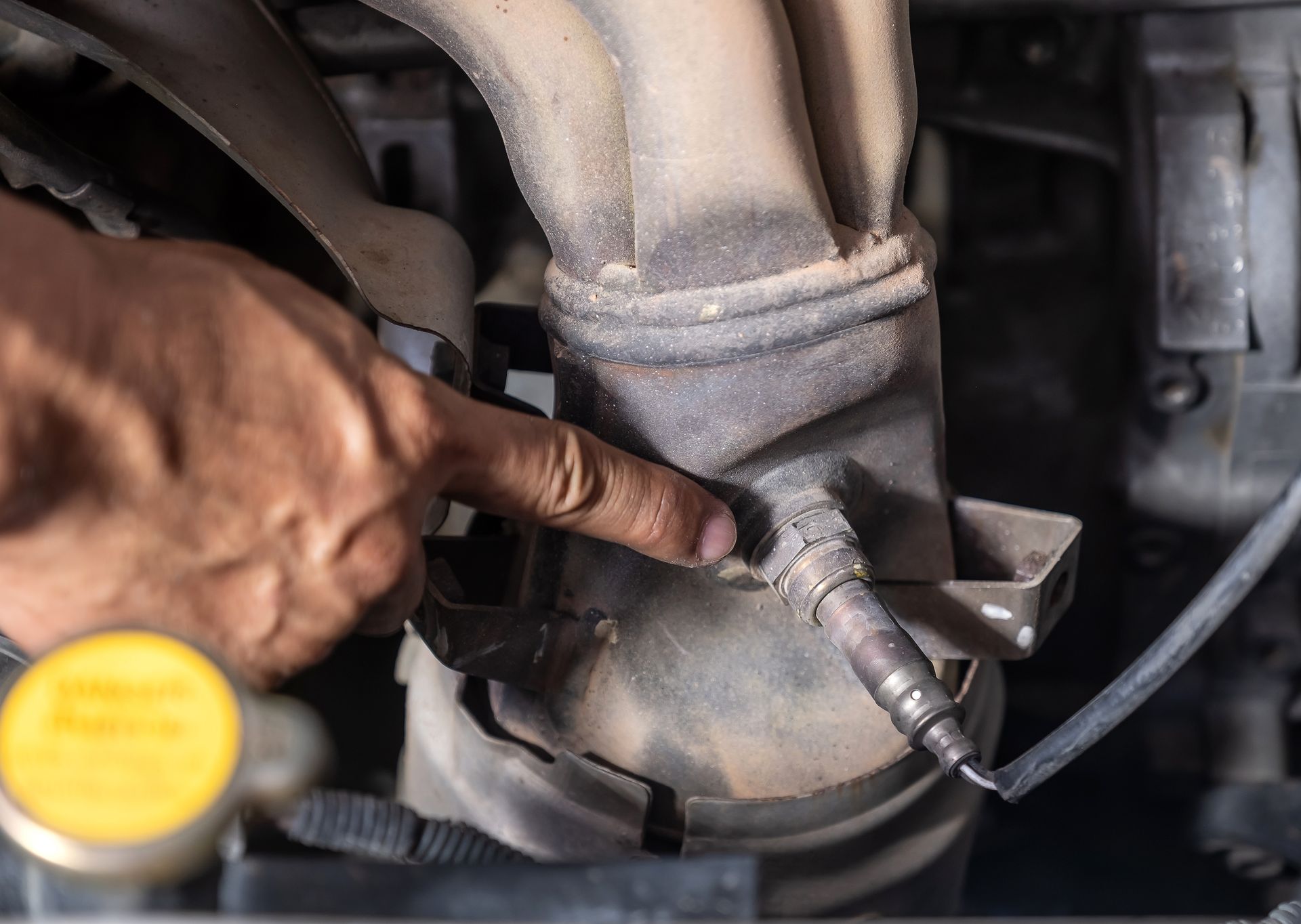
Exhaust System: Properly mounted exhaust with no dangerous leaks
Some inspections may also include checking your seat belts and vehicle identification number (VIN) for safety compliance.
Why Inspections Are Important
Virginia state inspections aren’t just a bureaucratic requirement—they are a critical safety measure. A failed inspection can alert you to:
- Brake problems that could cause an accident
- Worn tires that increase stopping distance on wet roads
- Faulty lights that reduce visibility at night
Addressing these issues early prevents larger, costlier repairs and keeps you and your family safe.
When and How Often to Get Inspected
Most vehicles in Virginia require an annual inspection. It’s recommended to schedule your inspection shortly before your registration renewal to avoid late fees or driving without a valid inspection sticker. Your inspection certificate is valid for 12 months, giving you time to address any issues that may arise before your next checkup.
What to Do If Your Vehicle Fails
Failing a state inspection can be stressful, but it’s also an opportunity to fix problems before they become major safety concerns. After a failure, you typically have a limited period to make repairs and return for a re-inspection. A licensed auto repair shop can diagnose issues, replace worn components, and get your vehicle back into compliance efficiently.
4 Tips for a Smooth Inspection Experience
- Keep up with regular maintenance, such as oil changes, tire rotations, and brake checks
- Ensure all lights, windshield wipers, and signals are working properly
- Check tire tread depth and tire pressure
- Listen for unusual noises from brakes or suspension
Preparing ahead can help your vehicle pass with flying colors and save you the hassle of repeat inspections.
Stay Safe and Compliant on Virginia Roads
Getting your Virginia state inspection completed on time keeps your vehicle safe and legal. It’s more than just a sticker on your windshield—it’s a way to ensure your brakes, lights, tires, and other key systems are in proper working order. If you’re due for an inspection or notice any issues with your vehicle near Virginia Beach, VA, or Norfolk, VA, bring it to one of Harvey's Garage's locations. Our team can perform a full Virginia state inspection, identify potential problems, and get your car back on the road safely and legally.