When an air conditioning system blows warm air, the compressor clutch is one of the first components drivers may notice. On vehicles equipped with a clutch-driven compressor, the outer pulley spins whenever the engine runs, but the center section engages only when the climate control system requests cooling.
If the clutch does not engage, the compressor cannot circulate refrigerant through the system. The cause may be low refrigerant, an electrical fault, excessive system pressure, a failed clutch coil, incorrect sensor data, or internal compressor trouble. Testing the complete circuit is necessary before replacing the compressor or adding refrigerant.
How the Compressor Clutch Works
The A/C compressor is usually driven by the engine’s serpentine belt. Its pulley rotates continuously, but an electromagnetic clutch controls whether the compressor shaft turns. When voltage reaches the clutch coil, a magnetic field pulls the clutch plate against the spinning pulley.
Once engaged, the compressor raises refrigerant pressure and sends it toward the condenser. When cooling is no longer requested, or when system conditions become unsafe, electrical power to the clutch is removed and the plate releases.
Several control modules may be involved. The climate control panel sends the request, while the engine computer checks refrigerant pressure, engine temperature, throttle position, and other operating conditions before allowing engagement. A problem anywhere in that chain can keep the clutch off.
Low Refrigerant Pressure
Low refrigerant is one of the most common reasons a compressor clutch will not engage. The system uses a pressure sensor or switch to protect the compressor. When pressure falls below a safe level, the control system prevents operation because the refrigerant also carries lubricant through the compressor.
Refrigerant does not get used up during normal operation. A low charge means it escaped through a leak. Common leak areas include hose crimps, service ports, compressor seals, condenser damage, evaporator corrosion, and O-ring connections.
Adding refrigerant without locating the leak may restore cooling temporarily, but the pressure will fall again. Overcharging can also create excessive pressure and poor cooling. The system should be checked for leaks and charged by weight according to the vehicle specification.
A Blown Fuse or Failed Relay
The clutch circuit relies on a fuse and, on many vehicles, a relay. A blown fuse interrupts power to the coil. The fuse may fail because of a shorted clutch coil, damaged wiring, overheated connector, seized compressor, or another electrical overload.
Replacing the fuse without finding the cause can lead to another failure. Installing a fuse with a higher rating is dangerous because the wiring may overheat before the oversized fuse opens the circuit.
A relay can also fail internally. Burned contacts may prevent current from reaching the clutch even when the control side of the relay operates. Technicians test the command signal, power supply, relay output, circuit resistance, and voltage drop rather than assuming the relay is responsible.
A Failed Clutch Coil or Excessive Air Gap
The electromagnetic coil can fail from heat, age, internal wiring damage, or excessive current. A failed coil may have an open circuit and produce no magnetic force, even though the rest of the system is requesting compressor operation.
The air gap between the clutch plate and pulley is also important. As the friction surfaces wear, the gap can become too large for the magnetic field to pull the plate inward. The clutch may engage when the engine is cold and stop working after heat increases the gap.
Warning signs can include:
- Intermittent cooling
- A clicking sound without engagement
- Cooling that stops after extended driving
- A clutch that works only when cold
- Visible clutch plate wear
- Burned wiring near the compressor
- A pulley that turns while the center remains still
Air-gap correction is possible on some designs, while other compressors require clutch assembly or complete compressor replacement.
Pressure Sensor and Temperature Inputs
The control system may refuse clutch engagement when sensor information suggests that operation could damage the vehicle. A refrigerant pressure sensor can report pressure that is too low, too high, or implausible because of an internal fault or wiring problem.
High engine coolant temperature can also disable the A/C compressor to reduce engine load. Some vehicles disengage it during wide-open throttle, low idle speed, or certain electrical system faults. Evaporator temperature sensors may stop compressor operation when they indicate a risk of icing.
Technicians compare scan data with actual pressure and temperature measurements. Replacing the compressor will not correct a damaged pressure sensor, a corroded connector, a broken wire, or an incorrect module command.
Internal Compressor or Pulley Failure
A compressor that has seized internally may prevent the clutch from turning. The clutch can overheat, slip, or burn as it tries to engage the locked shaft. In severe cases, the serpentine belt may squeal, smoke, break, or come off the pulleys.
Pulley bearings can fail even when the clutch is disengaged because the pulley spins whenever the engine runs. A worn bearing may create grinding, rumbling, looseness, or heat around the compressor.
Internal compressor damage can release metal debris into the refrigerant circuit. Replacing the compressor alone may not be enough. The repair can require flushing serviceable lines, replacing contaminated components, installing a new receiver-drier or accumulator, and measuring the correct amount of oil and refrigerant.
Why the Clutch May Be Working Normally
The compressor clutch does not always remain engaged continuously. It may cycle on and off to control evaporator temperature and refrigerant pressure. Cycling frequency changes with outdoor temperature, blower speed, engine speed, cabin temperature, and refrigerant charge.
Some newer vehicles use variable-displacement compressors or clutchless designs that operate differently. On those systems, watching for visible clutch movement may not provide useful information.
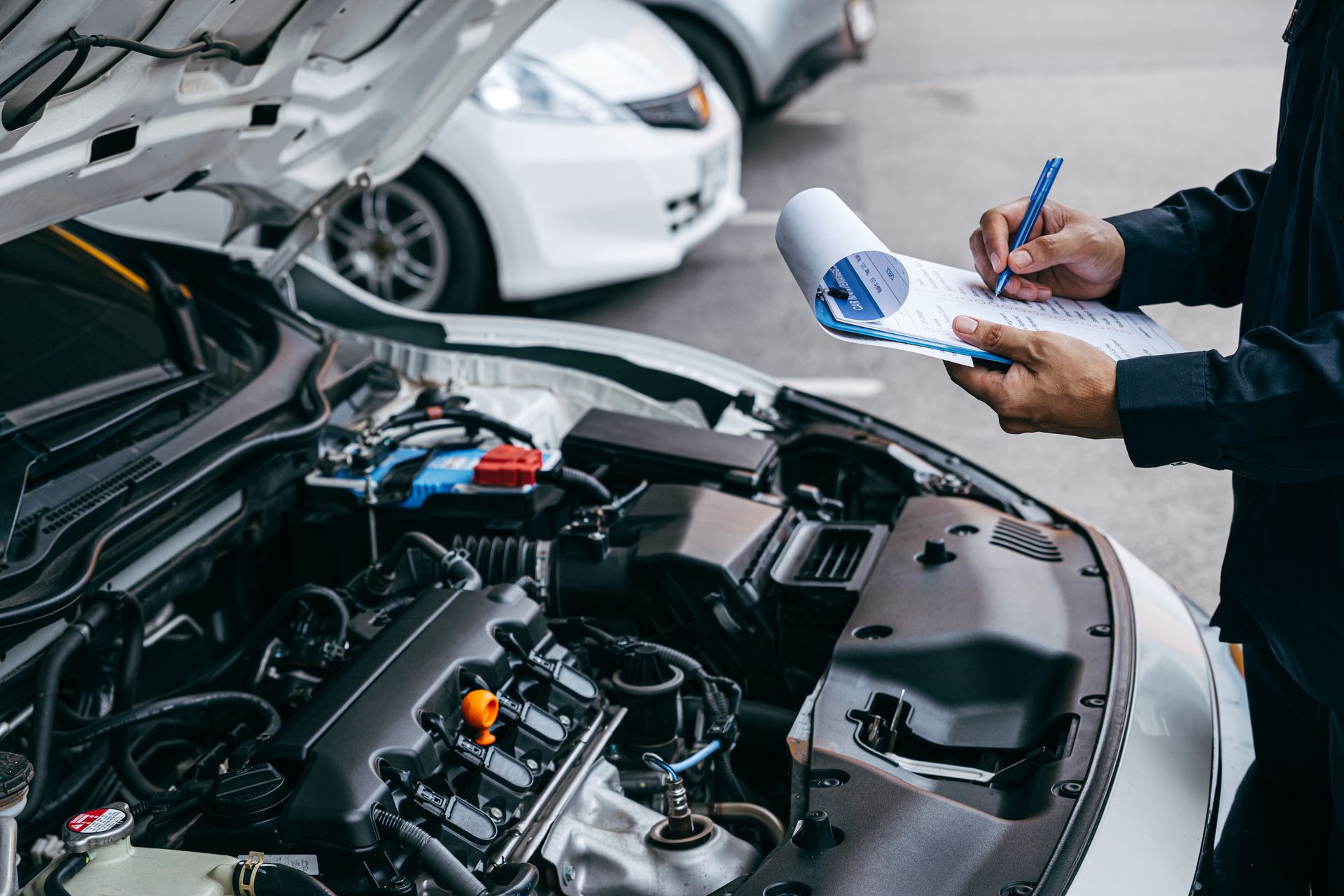
An inspection should confirm the compressor design, cooling request, pressure readings, electrical commands, and vent temperature. Regular maintenance can reveal belt wear, damaged connectors, weak cooling, and early refrigerant leakage before the system stops working completely.
Get A/C Compressor Clutch Service in Virginia Beach, VA, With Harvey's Garage
Harvey's Garage serves Virginia Beach drivers from two convenient locations. Our technicians can test refrigerant pressure, clutch circuits, relays, sensors, wiring, compressor condition, and climate control commands.