Transmission fluid is easy to forget because it stays out of sight. You do not see it every time you fuel up, and many vehicles no longer even have a simple dipstick. The car may shift well enough during daily driving, so the fluid never gets much attention until something starts to feel wrong.
That can be a costly mistake. Transmission fluid does more than lubricate parts. It helps control shifting, cools the transmission, carries hydraulic pressure, and protects internal components from wear. When it gets old, dirty, low, or contaminated, the transmission can start giving small warning signs before larger problems appear.
Why Transmission Fluid Works So Hard
In an automatic transmission, fluid performs several functions simultaneously. It lubricates moving parts, helps transfer power, applies clutches, carries heat away, and supports the hydraulic pressure needed for gear changes.
Manual transmissions use fluid differently, but it is still important. Gear oil or transmission fluid protects gears, bearings, synchronizers, shafts, and seals. If the fluid breaks down or drops low, shifting can become harder and internal wear can increase.
Heat is one of the biggest enemies of transmission fluid. Stop-and-go driving, towing, hills, heavy loads, traffic, and age all add stress. Over time, the fluid loses its protective qualities and can become dark, burnt, or full of fine debris from normal wear.
Delayed Or Harsh Shifting Can Be A Warning
One sign that transmission fluid may need attention is a change in shifting behavior. The transmission may hesitate before engaging drive or reverse. It may shift harder than before, feel delayed between gears, or make the vehicle lurch during gear changes.
Old or low fluid can affect hydraulic pressure. If the transmission cannot build pressure correctly, shifts may become late, firm, or inconsistent. That does not automatically mean the transmission is failing, but it does mean the condition should be checked.
Fluid service will not fix every shifting problem. Worn clutches, valve body issues, solenoids, sensors, mounts, or internal wear can also affect shifting. That is why fluid condition and level should be inspected before assuming the worst.
Burnt Smell Or Dark Fluid Is A Serious Clue
Healthy transmission fluid is usually red, amber, or light brown depending on the vehicle and fluid type. Some fluids are darker by design, so color alone is not always enough. Still, fluid that smells burnt, looks very dark, or has heavy debris is a warning sign.
A burnt smell means the fluid has been overheated. Overheated fluid loses its ability to protect parts and control heat. Once that happens, the transmission can wear faster and start shifting poorly.
Metal flakes, gritty residue, or thick sludge are also concerning. A small amount of fine material can be normal over many miles, but heavy debris may point toward internal wear. During an inspection, the fluid condition can help show whether a service is enough or whether deeper diagnostics are needed.
Low Fluid Can Create Big Problems Fast
Transmission fluid level is just as important as fluid condition. If the level is low, the transmission may slip, hesitate, whine, overheat, or shift strangely. Low fluid levels can also allow air into the system, affecting pressure and lubrication.
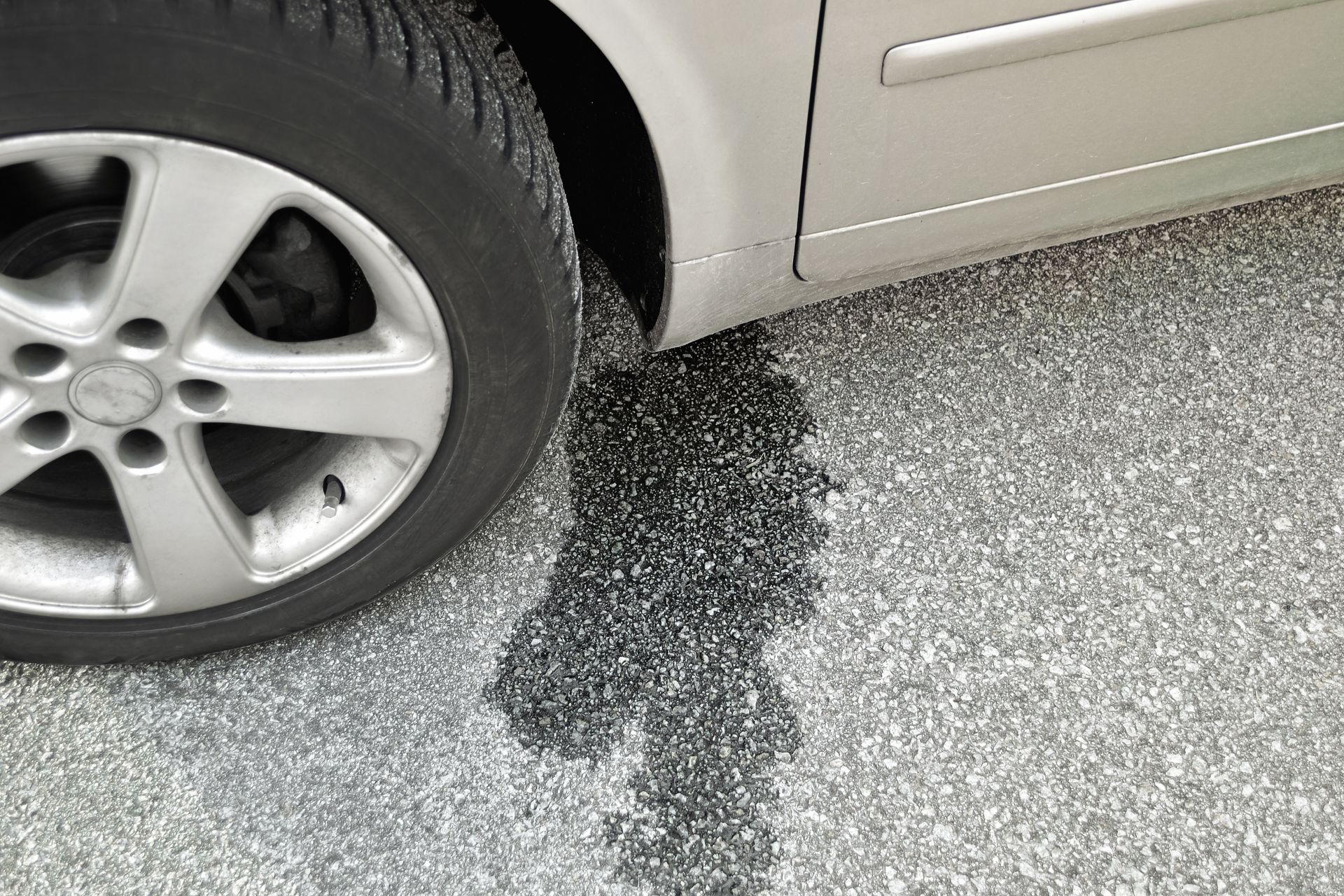
Unlike engine oil, transmission fluid usually should not disappear. If it is low, there may be a leak. Common leak points include cooler lines, axle seals, pan gaskets, output seals, case plugs, or damaged fittings. A reddish or brownish puddle under the vehicle can be a clue, though some leaks spread across the underbody and never form a neat spot on the ground.
Adding fluid without finding the leak is only temporary. The correct fluid type and level procedure also matter because many transmissions are sensitive to both.
Your Driving Conditions Affect The Service Interval
Some drivers need transmission fluid service sooner than others. A vehicle used mostly for easy highway miles is not under the same load as one used in heavy traffic, heat, hills, towing, delivery driving, or short trips.
Heat and load shorten fluid life. A transmission that works hard every day needs more attention than one that sees light use. Even if the owner’s manual lists a longer interval, severe driving conditions can change what makes sense for the vehicle.
Regular maintenance should also consider age, not only mileage. Fluid can degrade over time, and seals, gaskets, and cooler lines can age even on vehicles that are not driven heavily.
Warning Signs The Fluid Should Be Checked
Transmission fluid problems can show up in several ways.
- The transmission hesitates before moving after you shift into drive or reverse, especially after the vehicle has been sitting.
- Gear changes feel harsh, late, or inconsistent compared with how the vehicle used to drive.
- The engine revs, but the vehicle does not gain speed normally, which can point toward slipping.
- A whining, buzzing, or humming sound changes with speed or gear selection.
- The fluid smells burnt, looks very dark, or appears contaminated when checked.
- You see reddish, brown, or oily residue under the vehicle or around the transmission area.
- The transmission warning light or check engine light comes on because the computer has detected a fault related to shifting, temperature, or pressure.
These signs do not always mean fluid service alone will solve the concern, but they do mean the transmission needs attention.
Why The Right Fluid And Procedure Matter
Transmission service is not a one-size-fits-all job. Different vehicles require different fluid types, fill procedures, temperatures, filters, gaskets, and service methods. Using the wrong fluid can create shifting problems or damage internal parts.
Some transmissions have replaceable filters. Others use screens, internal filters, or sealed designs that require specific procedures. Some vehicles require the fluid level to be checked at a specific temperature using a scan tool. Others use a dipstick or fill plug.
A proper service should match the vehicle, mileage, fluid condition, and manufacturer requirements. The goal is to protect the transmission, not simply drain and refill without checking the bigger picture.
Get Transmission Fluid Service In Virginia Beach, VA, With Harvey's Garage
If your vehicle has delayed shifting, harsh gear changes, slipping, leaking transmission fluid, or fluid that looks or smells burnt, Harvey's Garage in Virginia Beach, VA, can inspect the transmission and recommend the right service for your vehicle.
With two convenient locations in Virginia Beach, we make it easier to keep up with transmission maintenance before minor shifting issues become major repairs.