A battery can seem perfectly normal through summer and then struggle as soon as the first cooler mornings arrive. You may notice the engine cranking more slowly, the lights dimming during startup, or a brief hesitation before the starter finally turns.
That change is easy to blame on the weather, but cooler temperatures usually expose a battery that was already losing capacity. A battery health check before the season changes can tell you whether there is still enough reserve left for reliable starting or whether replacement makes more sense before you end up needing a jump.
Cold Weather Exposes Weak Battery Capacity
A car battery produces electricity through a chemical reaction. As temperatures fall, that reaction slows down, and the battery cannot deliver current as easily as it can on a warm day.
At the same time, the starter needs a strong burst of power to turn the engine. A healthy battery handles that demand without trouble. An aging battery with reduced capacity may crank slowly, pause between rotations, or fail after sitting overnight. The first cool morning often reveals weakness that was already developing months earlier.
Summer Heat Can Do More Damage Than Drivers Realize
Cold weather gets blamed for many battery failures, but hot weather can be harder on the battery internally. High under-hood temperatures speed up corrosion inside the battery and can shorten its useful life.
The problem stays hidden because starting an engine is easier in warm weather. By the time fall arrives, the battery may still look fine from the outside but have much less reserve capacity than it did a year earlier. That is why we test battery performance rather than judging condition by appearance alone.
Slow Cranking and Electrical Changes Are Useful Clues
The way the vehicle starts tells you quite a bit about battery condition. If the starter sounds slower than normal or the engine takes an extra second to turn over, the battery deserves attention.
Other warning signs can include dashboard lights dimming heavily during cranking, electronics resetting, power locks moving more slowly, or needing an occasional jump after the vehicle sits. During an inspection, we also check the terminals and cables because corrosion or a loose connection can make a healthy battery act weak.
Battery Testing Is Better Than Replacing Based on Age Alone
Battery age is useful information, but it does not tell us exactly how much starting capacity remains. Some batteries stay strong longer than expected, while others weaken sooner because of heat, vibration, short-trip driving, or repeated deep discharges.
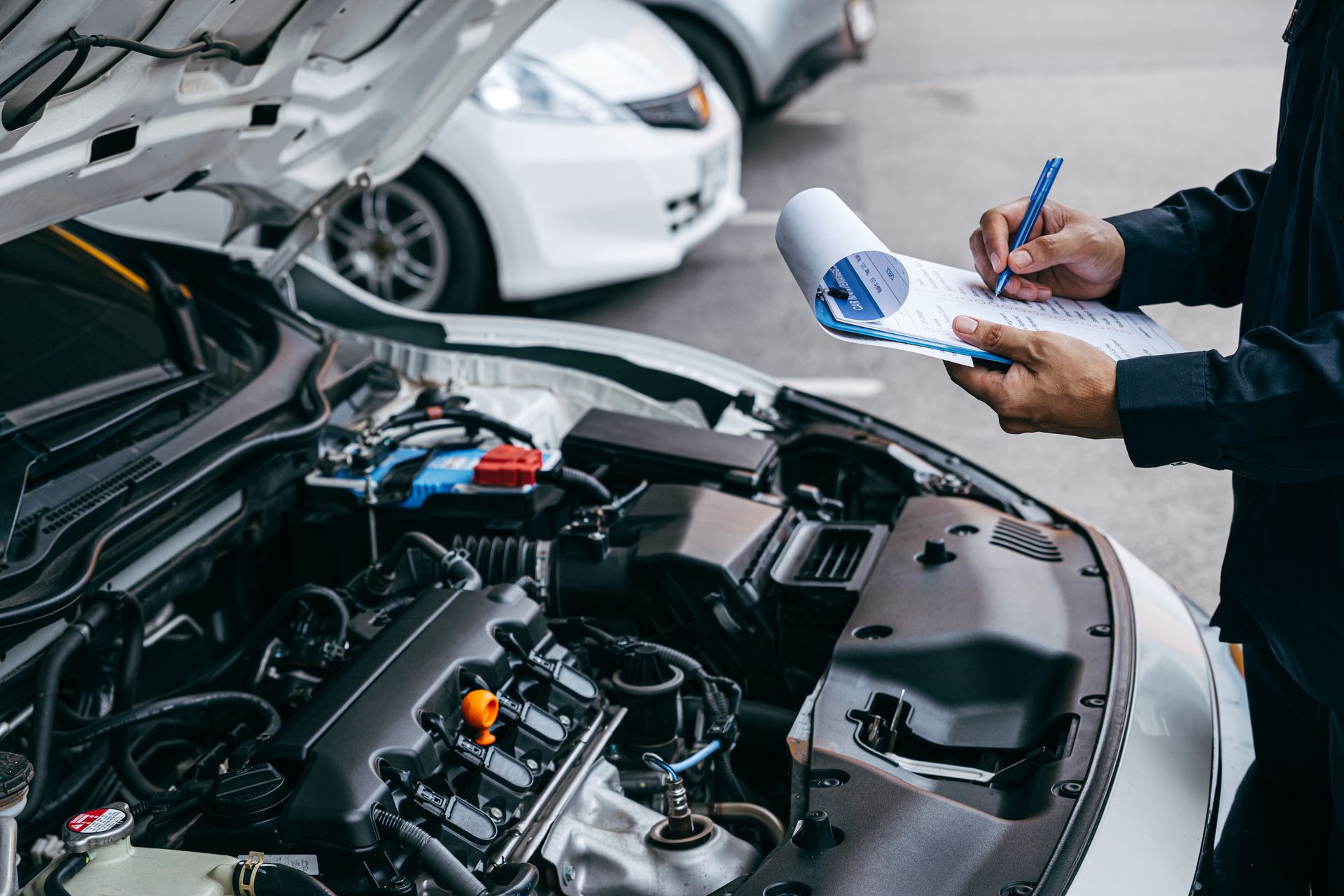
A proper battery test measures how the battery performs under load and whether it can still deliver the current the starter needs. At our shop, we also look at reserve capacity and compare the results with the battery's rating. If the battery still tests strong, there may be no reason to replace it simply because it has reached a certain birthday.
The Charging System Needs to Be Checked Too
A weak battery is not always the original problem. If the alternator is undercharging, even a good battery can slowly lose its charge and begin showing the same symptoms as a worn-out one.
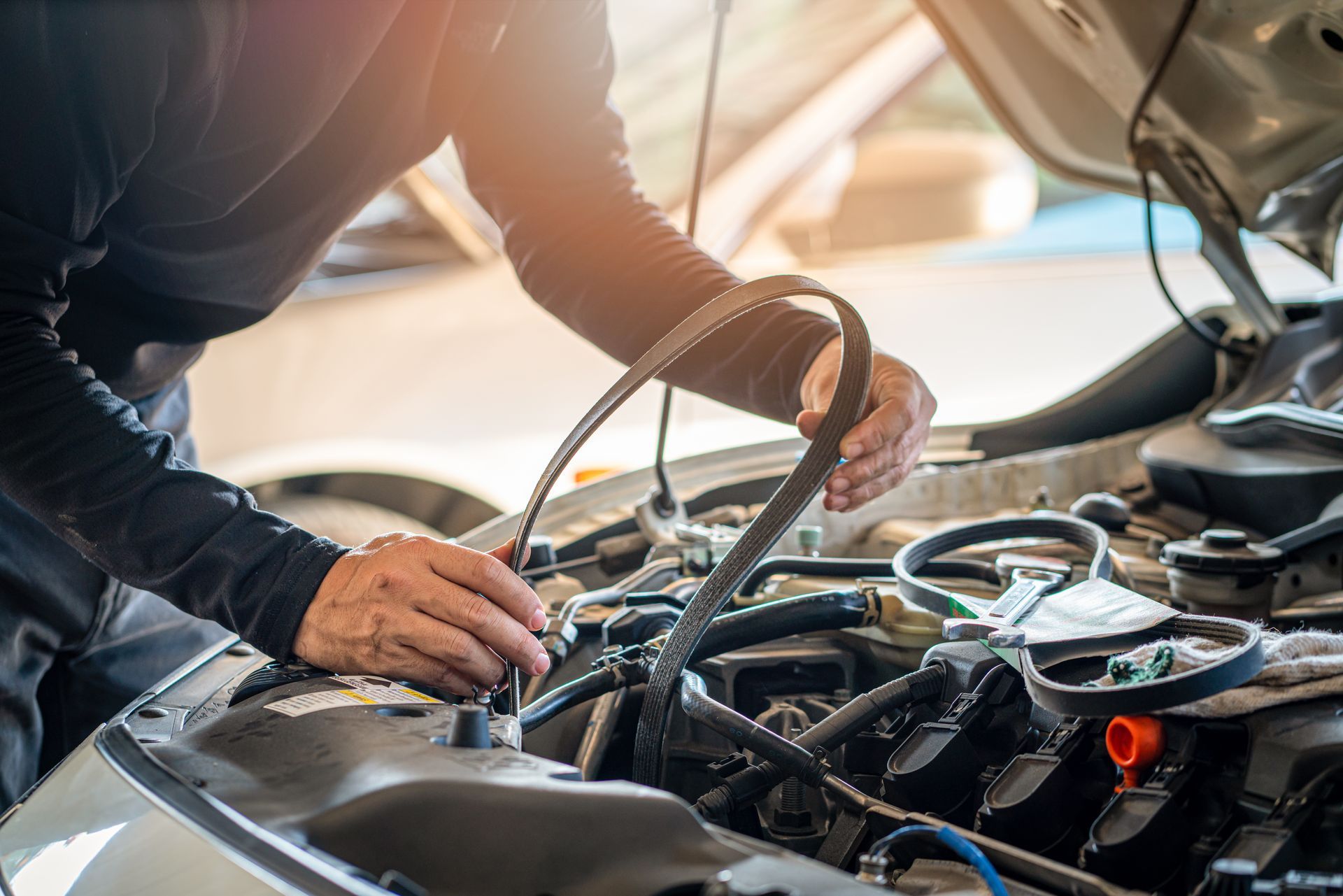
We check charging voltage and the condition of the belt drive when the symptoms call for it. Damaged charging cables, poor grounds, loose battery terminals, or a slipping serpentine belt can all reduce charging performance. Replacing the battery without fixing one of those problems can leave the new battery discharged again.
Short Trips Can Make Battery Problems Worse
Every engine start removes energy from the battery, and the alternator must replace it while you drive. Repeated short trips do not always give the charging system enough time to restore a full charge.
Colder weather can also increase the electrical load. Headlights, blower motors, heated seats, rear defrosters, and windshield wipers all use power. Regular maintenance gives us a chance to identify a battery that is spending too much time partially charged before colder mornings make the problem obvious.
Know When Replacement Makes More Sense
If a battery repeatedly fails testing, needs frequent jump starts, or has clearly lost a large amount of cranking capacity, replacement is usually the sensible choice. Waiting until it fails rarely saves money and often creates more inconvenience.
We also consider the condition of the battery case, terminals, and connections. A swollen or damaged case, leaking battery, or badly corroded terminal area deserves prompt attention. The goal is not to replace a battery early. It is to replace one that is no longer dependable before it leaves the vehicle unable to start.
Get Battery Service In Virginia Beach, VA, With Harvey's Garage
If your vehicle is cranking slowly, needs occasional jump starts, or has an older battery heading into cooler weather, Harvey's Garage can test the battery, alternator, starter circuit, and electrical connections at either of its two Virginia Beach, VA locations.
Schedule a battery health check before the first cold morning turns a warning sign into a no-start.