A car can feel fine while wear is already starting in the background. The brakes still stop, the tires still hold air, and the engine still starts, so it is easy to wait until something feels more obvious. That is usually when routine service turns into a repair conversation.
A car inspection and maintenance visit gives you a clearer picture before the vehicle starts making decisions for you. The timing depends on mileage, age, driving habits, warning signs, and how long it has been since anyone carefully looked the vehicle over.
Schedule Service Based On Mileage
Mileage is still one of the best starting points for maintenance. Oil changes, tire rotations, brake checks, filter replacement, fluid services, spark plugs, belts, and other items all have recommended intervals. Those intervals exist because parts and fluids wear out even when the car seems normal.
The owner’s manual is a good place to begin, but it is not the whole story. A vehicle with 60,000 miles of highway driving may be in a different condition than one with 60,000 miles of short trips and traffic. Our technicians look at the mileage and how the vehicle is used so the service plan fits the car, not just the number on the odometer.
Do Not Wait For Warning Lights
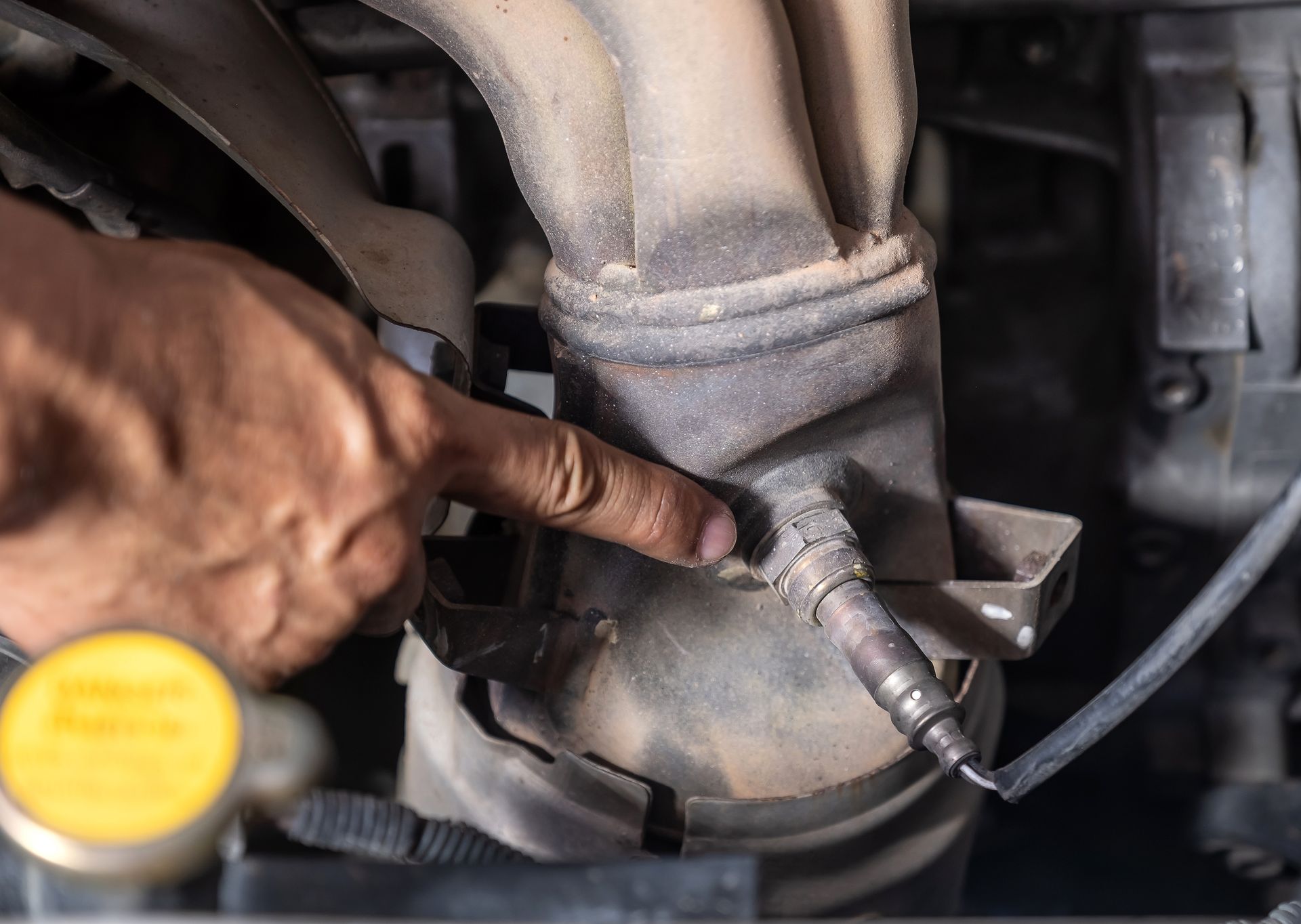
Dashboard lights are helpful, but they are not meant to be your only maintenance reminder. A check engine light, oil pressure warning, battery light, brake warning, or temperature warning means the vehicle has already detected a problem. Some of those warnings need fast attention.
A steady check engine light should be checked soon. A flashing check engine light, oil pressure warning, or overheating warning is more urgent. Waiting for a light to appear before scheduling service can leave small problems with too much time to grow.
Schedule Maintenance Before Long Trips
A longer drive puts different stress on a vehicle than daily errands. Higher speeds, heavier cargo, hot weather, and hours of steady driving can expose weak tires, old belts, low fluids, cooling system problems, or battery trouble. A car that feels fine around town can behave differently on the highway after several hours.
Before a road trip, it is smart to check the oil, coolant, battery, tires, brakes, lights, wipers, belts, and hoses. The goal is not to over-service the car. It is to catch the things most likely to turn a trip into a roadside delay.
Season Changes Are A Good Reminder
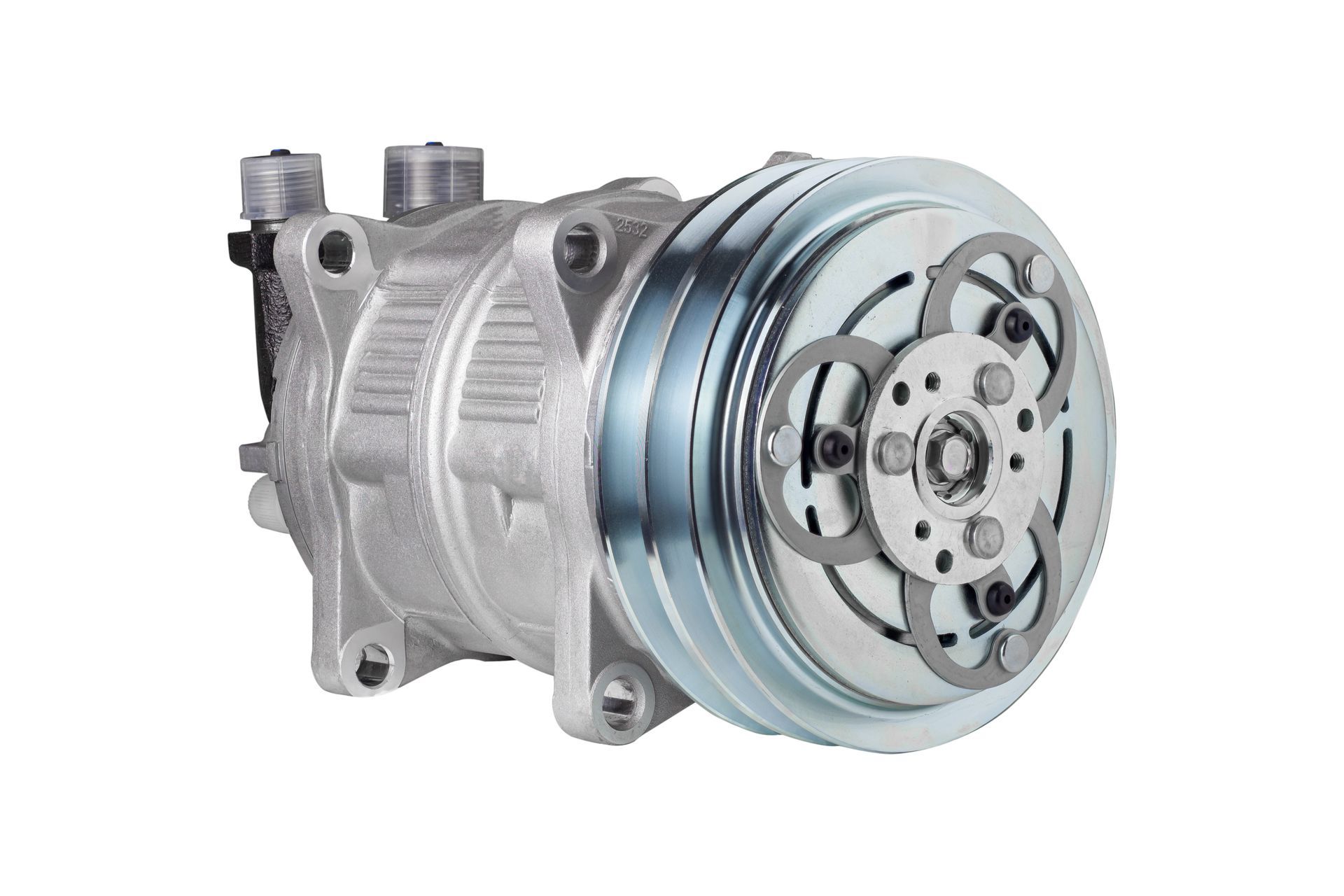
Weather changes are a useful time to schedule regular maintenance. Heat is hard on batteries, tires, cooling systems, and A/C performance. Cooler weather can reveal weak batteries, low tire pressure, worn wipers, and starting problems. Rainy seasons also make tire tread, brakes, lights, and wipers more important.
A seasonal check helps you catch the simple things before the weather does. Low tire pressure, aging wiper blades, weak coolant protection, or a battery nearing the end can all be addressed before they become inconvenient.
Pay Attention To Small Changes
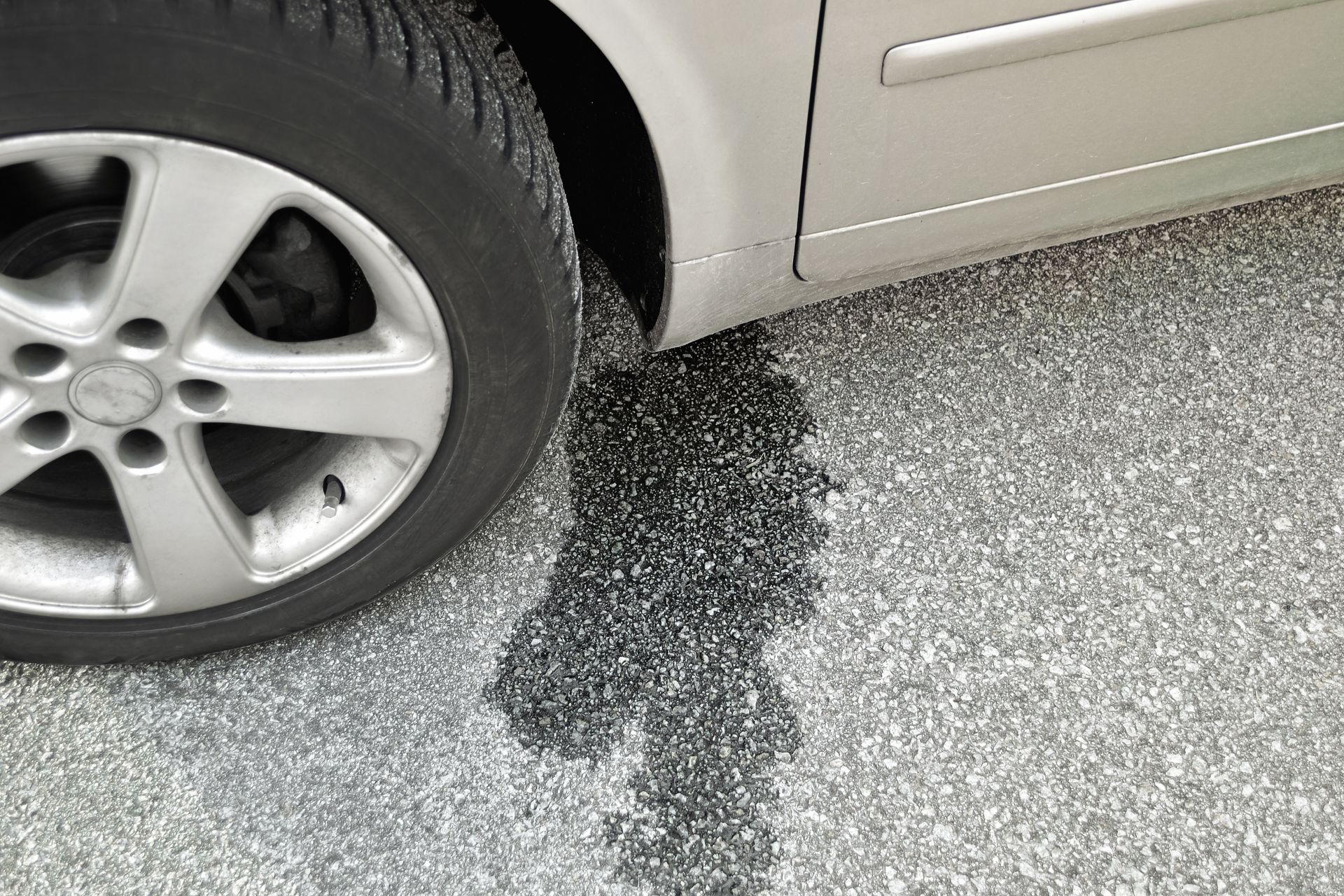
The best time to schedule a car inspection is when something first feels different. A faint vibration, a slight pull, a longer crank, a small leak, a burning smell, a brake squeak, or a new clunk might not seem urgent, but those details are how many repairs begin.
A small change gives the shop useful information. If the car shakes only at highway speed, that points in one direction. If it pulls only when braking, that points somewhere else. We ask about those details because they help narrow the problem and prevent unnecessary parts from being blamed.
Tires And Brakes Need Routine Checks
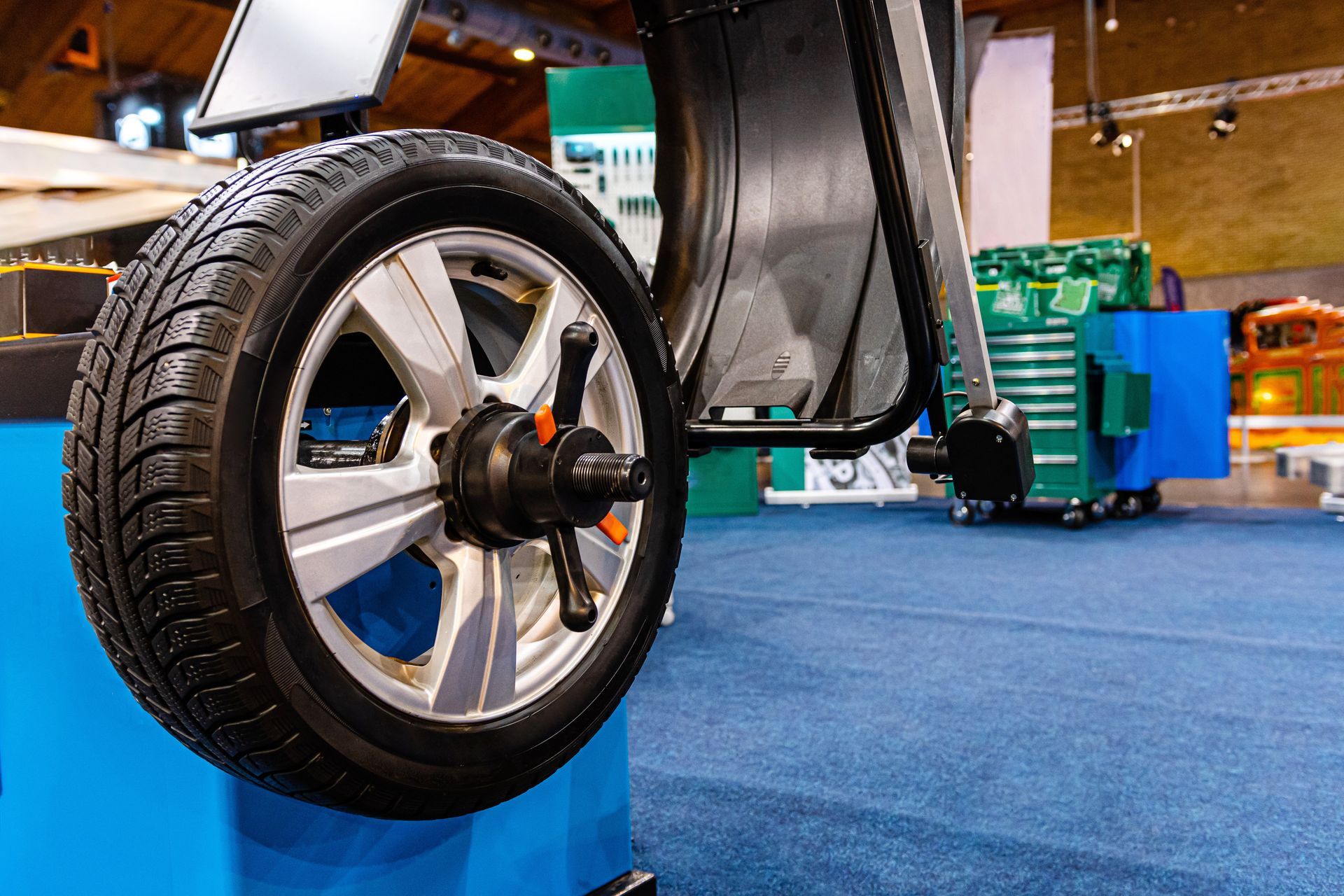
Tires and brakes are two areas where waiting can cost more. Tires can wear unevenly due to alignment problems, low tire pressure, worn suspension parts, or missed rotations. By the time the tread looks bad, the cause may have been working for months.
Brake pads also wear gradually. If they are caught early, the repair can stay simple. If they are ignored until grinding starts, rotors and other parts may be damaged. A maintenance visit should include checking tread depth, tire pressure, brake pad thickness, rotor condition, and signs of uneven wear.
Fluids Should Not Be Ignored
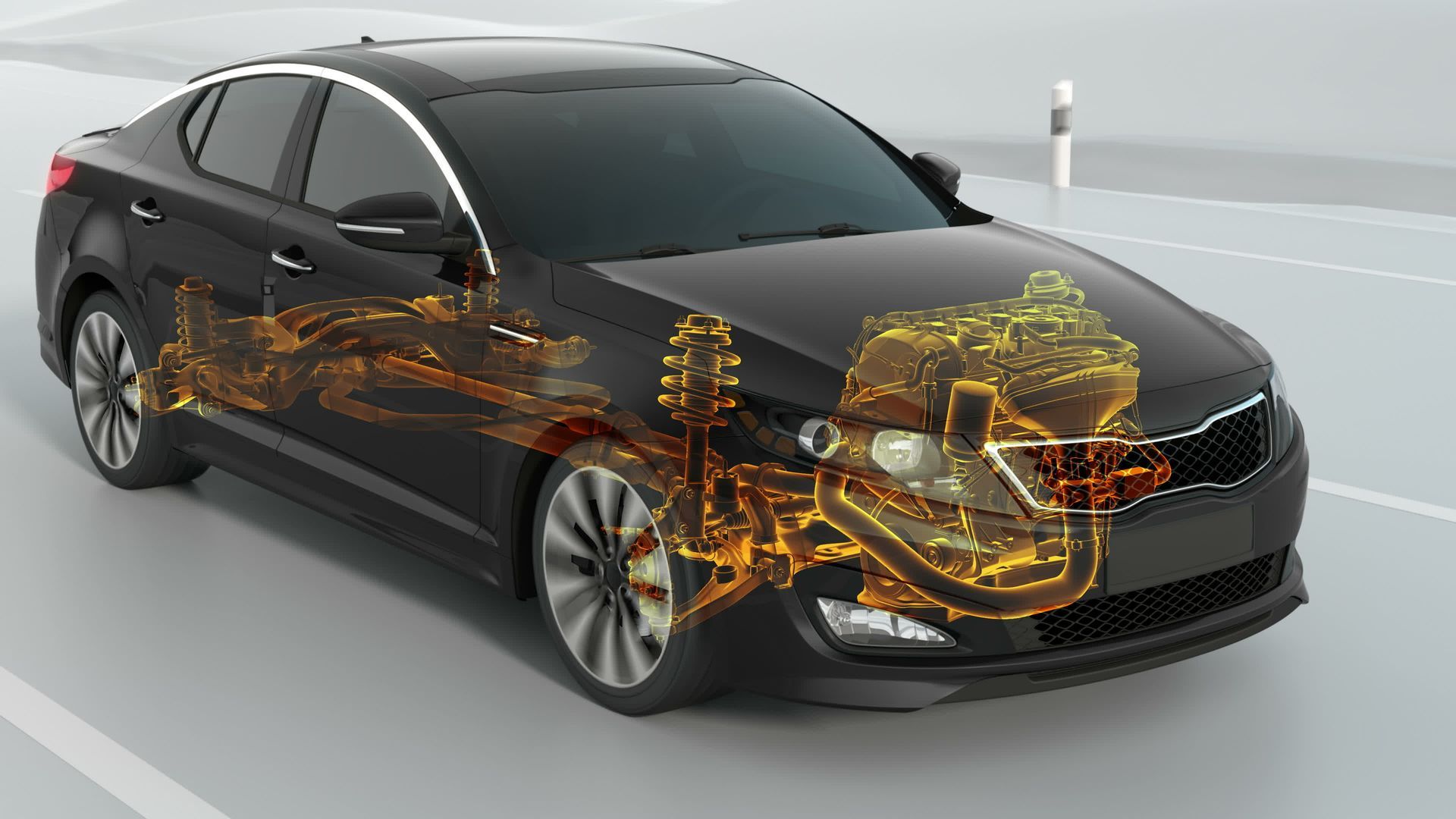
Fluids protect expensive parts. Engine oil, coolant, transmission fluid, brake fluid, power steering fluid on equipped vehicles, and differential fluid all do quite a lot of work until they get old, low, dirty, or contaminated. When fluids are neglected, the systems they protect start wearing faster.
Fluid checks can reveal leaks, overheating risk, brake system concerns, or transmission wear before the driver notices a major symptom. Fresh fluids and proper levels help keep the vehicle dependable, but the correct type and service procedure matter too.
Get Car Inspection And Maintenance In Virginia Beach, VA, With Harvey's Garage
If your vehicle is due for service, preparing for a trip, or starting to feel different, Harvey's Garage can inspect key systems and help you stay ahead of repair problems at our two locations in Virginia Beach, VA.
Bring it in before a small warning sign turns into a repair that interrupts your schedule.