Antifreeze is easy to forget when the temperature gauge stays where it should. Then winter arrives, the heater takes longer to get comfortable, or you notice the coolant level has dropped. Suddenly, that neglected fluid has your attention.
Coolant protects against freezing, but that is only one part of its job. It also carries heat and helps protect cooling-system components from corrosion. Old or incorrectly mixed coolant can create trouble in cold weather, although its age alone does not tell you exactly how much freeze protection remains. You need to consider its condition, concentration, and service history together.
Engine Coolant Does More Than Prevent Freezing
The cooling system circulates fluid through the engine and transfers heat to the outside air. The heater uses some of that heat to warm the cabin. Even in winter, the engine produces substantial heat and still needs controlled coolant flow.
The antifreeze component helps lower the mixture's freezing point and raise its boiling point. Additives help protect metals, seals, and other cooling-system surfaces. Water and antifreeze need the right balance for your vehicle. A system can be full and still contain an unsuitable mixture or a coolant that does not meet the manufacturer's requirements.
Old Coolant Can Lose Corrosion Protection
Coolant additives do not remain effective indefinitely. Over time, corrosion protection can weaken, and contamination can reduce the fluid's ability to protect the cooling system. The service interval depends on the coolant specification and the vehicle's requirements rather than a universal rule for every car.
Corrosion and deposits can affect radiators, heater cores, water pumps, and other components. Sometimes the first clue is a leak or weak cabin heat rather than an unusual temperature reading. The engine may seem fine during a short drive while a developing cooling-system problem remains hidden.
Coolant Freeze Protection Depends on the Mixture
Old coolant does not automatically freeze at a higher temperature just because another year has passed. The actual concentration influences freeze protection. Repeatedly topping off with plain water, using a poorly mixed concentrate, or filling with an unknown fluid can change that concentration.
More concentrated antifreeze is not always better, either. An excessively strong mixture can reduce heat transfer and may provide poorer freeze protection than the recommended blend. Use the manufacturer's specified mixture and suitable water when mixing is required. A ready-to-use product should not be diluted unless its instructions specifically call for it.
Winter Exposes Cooling System Weaknesses
Cold weather adds a practical concern: fluid that freezes can expand and damage components. A weak mixture can therefore put the radiator, hoses, or engine at risk when temperatures fall far enough. Do not wait for an unusually cold forecast to discover what is in the reservoir.
Virginia Beach also has plenty of winter days when temperatures swing rather than staying deeply cold. A vehicle still needs normal engine temperature control through those changes. Existing leaks, poor coolant circulation, or a thermostat problem can become more noticeable when you rely on the heater every morning.
Weak Cabin Heat Can Point to a Coolant Problem
The heater core depends on warm coolant flowing through it. Low coolant, trapped air, or a restricted heater core can reduce the heat reaching the cabin. A thermostat that keeps the engine too cool can also delay or weaken heating.
Those are different problems, and changing coolant alone will not necessarily correct them. Pay attention to whether the air is weak, the air is strong but cool, or the heat changes during the drive. Airflow faults can involve the cabin filter or blower, while cooling-system faults affect the supply of heat. Describing that difference helps guide the inspection.
Coolant Color Does Not Prove It Is Correct
Green, orange, pink, blue, and other coolant colors can help identify a product, but color is not a dependable substitute for its specification. Different products can share a color, and similar-looking fluids may have different chemistry or approvals.
Mixing incompatible coolants can reduce protection and, in some cases, contribute to deposits. If the vehicle's history is unclear, tell the shop what has been added, even if you only remember the brand or container color. The appropriate service may involve correcting the mixture, addressing contamination, or replacing coolant according to the manufacturer's procedure.
Have These Coolant Details Checked Before Winter
A useful coolant inspection looks beyond a quick glance at the reservoir. These five points give a fuller picture.
- The coolant specification required for the exact vehicle.
- The fluid's concentration and measured freeze protection.
- The date and mileage of the last coolant service.
- Evidence of leaks, contamination, or damaged cooling-system components.
- Whether the heater and engine temperature control operate properly.
A concentration test can assess freeze protection, but it cannot prove every protective additive is still effective. Service records and the required replacement interval remain useful even when the mixture tests well. A pressure or leak check may also be needed if coolant has been disappearing.
Low Coolant Needs More Than Repeated Top-Offs
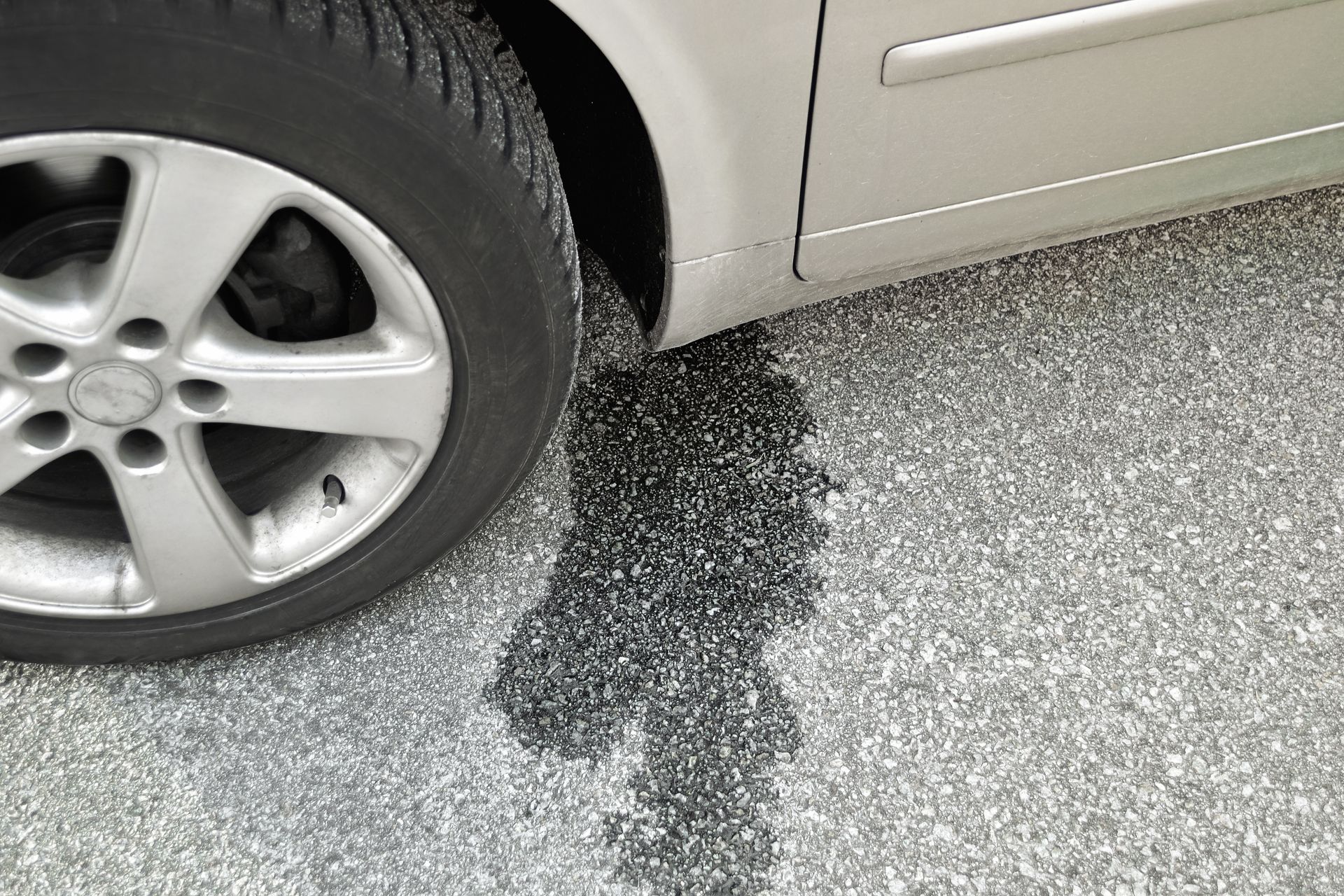
A cooling system should not require frequent additions without an explanation. A small leak can become larger, and low coolant can affect both heating and engine protection. Check levels only using the vehicle's instructions, and never remove a pressurized cap while the system is hot.
If an overheating warning appears, pull over safely and shut off the engine. Do not keep driving because the weather is cold or because the heater has started blowing cooler air. Arrange help and have the cause checked. Once the system is repaired, proper coolant service can restore the right mixture and protection.
Schedule Coolant Service in Virginia Beach, VA
Harvey's Garage has two locations in Virginia Beach, VA, to help with coolant service and cooling-system concerns. Bring your maintenance records and mention any coolant additions, heater changes, or temperature warnings you have noticed.
Contact us to schedule a cooling-system inspection before colder weather arrives.